Have you ever smelled a fresh herb and felt instantly hungry? That is what koriandri does. Known in English as coriander, this small green plant has been part of kitchens and medicine for thousands of years. From South Asia to the Middle East and Latin America, people love it for its fresh smell and great taste.
What Is Koriandri?
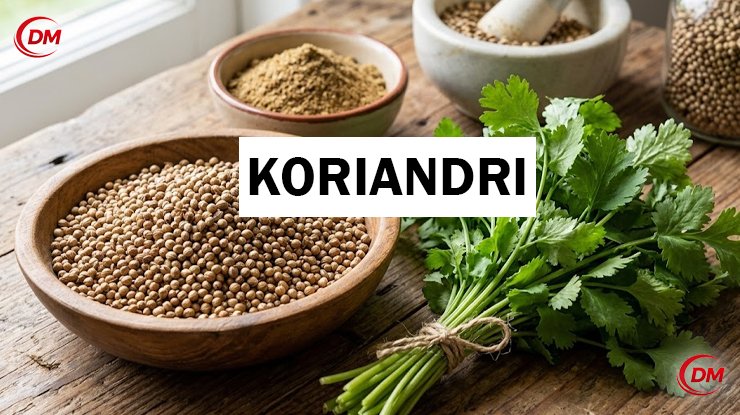
Koriandri is the local name used in many South Asian regions for coriander (Coriandrum sativum). It is a herb that belongs to the same plant family as parsley and carrots. Almost every part of this plant is useful. You can eat the fresh green leaves, the dried seeds, and even the roots.
The plant grows to about 50 cm tall and produces small white or light pink flowers. After the flowers fall, the round seeds appear. These seeds are used whole or ground into powder as a spice.
Coriander is one of the oldest herbs in the world. People have been using it for more than 3,000 years. It was found in ancient Egyptian tombs and mentioned in old Sanskrit texts from India.
Where Does Koriandri Come From?
Coriander is believed to have first grown in the Mediterranean region and parts of western Asia. Over hundreds of years, it spread across the world through trade, travel, and farming.
Today, it is grown in:
- India (one of the biggest producers in the world)
- Pakistan and Bangladesh
- Iran and Morocco
- Mexico and other parts of Latin America
- China and Southeast Asia
In Sindh and other parts of Pakistan, koriandri (fresh coriander leaves) is used almost every single day. It is added to curries, dals, chutneys, and salads. It is also used as a garnish to make food look beautiful and smell good.
Two Parts of the Plant: Leaves and Seeds
One of the interesting things about coriander is that the leaves and seeds taste very different from each other.
Fresh Leaves (Koriandri)
The fresh green leaves have a bright, citrus-like smell. Many people love this smell, but some people think it tastes like soap. This is actually because of a gene that some people carry. So if you dislike fresh coriander, you are not alone.
Fresh leaves are best added at the end of cooking or used raw. Heat reduces their flavor quickly.
Coriander Seeds
The seeds have a warmer, slightly sweet, and nutty flavor. They are dried and used as a whole spice or ground into powder. Coriander powder is one of the most common spices in Pakistani, Indian, and Middle Eastern cooking.
The seeds are used at the beginning of cooking, often fried in oil to release their flavor before other ingredients are added.
Health Benefits of Koriandri
Koriandri is not just tasty. It is also very good for your health. Let us look at some of the main benefits:
1. Good for Digestion
Coriander has been used for a long time to help with stomach problems. It can reduce gas, bloating, and stomach pain. Some research shows that coriander seeds help the digestive system work better. It may also help with conditions like irritable bowel syndrome (IBS).
2. Rich in Vitamins and Minerals
Fresh coriander leaves contain:
- Vitamin C (good for your immune system)
- Vitamin K (important for blood clotting and bone health)
- Vitamin A (good for your eyes and skin)
- Iron and Calcium (important for blood and bones)
Even a small amount of koriandri added to your meal gives your body useful nutrients.
3. May Help Lower Blood Sugar
Some studies suggest that coriander seeds and leaves may help lower blood sugar levels. This is helpful for people who have or are at risk of type 2 diabetes. The plant seems to help the body use insulin better.
4. Has Antioxidant Properties
Koriandri contains antioxidants. These are natural compounds that protect your body from damage caused by free radicals. Antioxidants can help reduce the risk of some diseases and slow down aging.
5. May Support Heart Health
Coriander may help lower bad cholesterol (LDL) and increase good cholesterol (HDL). This is good for heart health. Some people also use it to help reduce high blood pressure, though you should always talk to a doctor before using herbs for medical reasons.
6. Natural Antibacterial Properties
Research has found that coriander contains compounds that can fight harmful bacteria. These include bacteria that can cause food poisoning. In earlier times, coriander was sometimes added to food to help keep it fresh longer.
7. Good for Skin
Coriander has anti-inflammatory properties, which means it can help reduce swelling and redness. Some people apply fresh coriander paste to skin problems like rashes or insect bites. However, always do a patch test before trying this on your skin.
How to Use Koriandri in Everyday Cooking
Now let us talk about the most fun part: cooking with koriandri!
As a Garnish
The easiest way to use fresh koriandri is to wash it, chop it finely, and sprinkle it on top of your dish before serving. It adds color, smell, and a fresh taste to:
- Dal (lentils)
- Biryani
- Curries
- Soups
- Chaat (street food snacks)
In Chutneys
Green chutney made with coriander is one of the most popular condiments in Pakistan and India. You blend fresh koriandri with green chilies, garlic, lemon juice, and salt. It goes well with almost everything: bread, rice, kebabs, and samosas.
In Marinades
Coriander leaves can be added to marinades for meat and fish. They give a fresh flavor that works very well with yogurt-based marinades used in Pakistani cooking.
As a Spice (Coriander Powder)
Ground coriander is used in almost every curry recipe. It is one of the base spices in garam masala. You add it early in cooking, along with cumin, turmeric, and chili powder.
In Salads and Raita
Fresh koriandri can be mixed into yogurt raita or vegetable salads. It gives a cooling and fresh flavor that balances spicy food.
In Drinks
In some cultures, coriander seeds are boiled in water to make a herbal tea. This drink is used to help digestion and cool the body during hot weather.
How to Store Koriandri
Fresh coriander leaves do not last very long. Here are some tips to keep them fresh:
- In the fridge: Wrap the leaves in a slightly damp paper towel and place them in a plastic bag or container. They will stay fresh for about one week.
- In water: Place the stems in a glass of water, cover loosely with a plastic bag, and store in the fridge. Change the water every two days.
- Frozen: You can chop fresh coriander and freeze it in ice cube trays with a little water. Use these cubes directly in cooking.
Coriander seeds and powder should be stored in a dry, airtight container away from sunlight. They stay good for up to one year.
Growing Koriandri at Home
The good news is that koriandri is very easy to grow at home. You do not need a big garden. A small pot on your kitchen window or balcony is enough.
Steps to grow coriander at home:
- Take a small pot with drainage holes.
- Fill it with good soil mixed with some compost.
- Crush the coriander seeds slightly and plant them about 1 cm deep.
- Water gently and place the pot in a spot with sunlight.
- Seeds will start to grow in 7 to 14 days.
- You can start cutting leaves once the plant is about 15 cm tall.
Coriander grows best in cool weather. In very hot conditions, the plant goes to seed quickly. So try to grow it in spring or autumn.
Koriandri in Traditional and Home Remedies
In many South Asian homes, coriander is not only used for cooking. It is also part of simple home remedies passed down through generations.
- For stomach pain: Boil one teaspoon of coriander seeds in water, cool it, and drink it.
- For bad breath: Chew a few fresh coriander leaves.
- For swollen eyes: Place cold coriander tea bags over tired eyes.
- For fever: Some people drink coriander seed water to help reduce mild fever.
These remedies have been used for a long time. However, they are not a replacement for medical treatment. Always see a doctor for serious health issues.
Fun Facts About Koriandri
- The word “coriander” comes from the ancient Greek word koris, which means bedbug. People thought the plant smelled similar (though most of us disagree!).
- In the Bible, coriander seeds are mentioned in the book of Exodus.
- NASA astronauts have grown coriander in space as part of research into growing food in zero gravity.
- Some people call coriander “cilantro.” This word comes from Spanish and is used mostly in the United States and Latin America.
- Coriander is used in the famous Belgian beer called Hoegaarden.
Koriandri Around the World
It is interesting to see how different cultures use coriander in their own way:
- Pakistan and India: Fresh leaves in curries, dals, and chutneys. Ground seeds in spice blends.
- Mexico: Fresh cilantro in tacos, salsas, and guacamole.
- Thailand: Roots are used in soups and pastes.
- Middle East: Ground seeds are used in falafel and spice mixes.
- Morocco: Used in tagines and couscous dishes.
Even though the name changes from place to place, the love for this herb is the same all over the world.
Conclusion
Koriandri (coriander) is truly a special plant. It has a long history, great flavor, real health benefits, and hundreds of uses in cooking. Whether you are sprinkling it over a bowl of dal or making a fresh green chutney, this simple herb makes every meal better.
It is easy to find, easy to use, and even easy to grow at home. If you are not already using koriandri regularly, now is a great time to start. Your food and your body will both thank you.
10 Frequently Asked Questions (FAQs) About Koriandri
Q1. What is the difference between koriandri and cilantro? They are the same plant (Coriandrum sativum). “Cilantro” is the name used mostly in the United States and Latin America, while “koriandri” is used in South Asian countries like Pakistan and India.
Q2. Can I eat coriander every day? Yes, eating fresh coriander leaves every day is generally safe and healthy for most people. It provides vitamins and antioxidants. However, if you have allergies to plants in the carrot family, be careful.
Q3. Why does coriander taste like soap to some people? This is because of a gene called OR6A2. People who have this gene are more sensitive to certain chemicals in coriander that smell and taste like soap. It is a natural difference in how people experience taste.
Q4. Are coriander seeds and coriander powder the same thing? Coriander powder is made by grinding dried coriander seeds. They have the same flavor, but the powder is more convenient and blends into food more easily.
Q5. Can koriandri help with weight loss? Koriandri is very low in calories and can be a healthy addition to a weight loss diet. It adds flavor without adding extra calories. However, it is not a miracle cure for weight loss on its own.
Q6. Is coriander safe during pregnancy? Fresh coriander used in normal cooking amounts is generally safe during pregnancy. However, very large amounts (like herbal teas or supplements) should be avoided. Always talk to your doctor if you are unsure.
Q7. How do I know if my coriander has gone bad? Fresh coriander that has gone bad will look yellow or brown, feel slimy, and have an unpleasant smell. Throw it away if you see these signs.
Q8. Can I use dried coriander leaves instead of fresh ones? Yes, but the flavor will be weaker. Dried leaves are less fragrant than fresh ones. If you use dried coriander, use a little more than the recipe says.
Q9. What can I use instead of koriandri if I don’t have it? You can use fresh parsley as a substitute for coriander leaves in most recipes. It has a milder flavor but gives a similar fresh green look. For coriander seeds, caraway seeds are a close substitute.
Q10. Does cooking destroy the health benefits of coriander? Heat can reduce some of the vitamins in coriander, especially Vitamin C. To get the most nutrients, add fresh coriander at the end of cooking or use it raw as a garnish.
See more amazing Information, Dupper Magazine