If you have ever sat down at a Spanish restaurant or visited Argentina, Chile, or Uruguay, you may have seen the word “picada” on the menu. It sounds simple, but this dish carries a lot of culture, history, and delicious food in one plate. Whether you are new to Spanish food or just want to learn more, this guide will walk you through everything you need to know about picada in a simple and friendly way.
What Does “Picada” Mean?
The word “picada” comes from the Spanish verb “picar,” which means “to chop” or “to nibble.” So, in the most basic sense, a picada is a plate of small, chopped, or bite-sized foods. The name tells you a lot about what the dish is: small pieces of food you can pick up and eat with your hands or a toothpick, usually while talking and relaxing with others.
In different Spanish-speaking countries, the word picada can mean slightly different things, but the core idea stays the same. It is a sharing plate. It is food meant to bring people together.
Where Does Picada Come From?
Picada has roots in Spain, but it became especially popular in South American countries like Argentina, Uruguay, and Chile. When Spanish immigrants moved to South America in the 19th and 20th centuries, they brought their food traditions with them. Over time, local ingredients and flavors were added, and the picada became something unique to each country.
In Argentina, for example, the picada is deeply connected to social life. Families and friends gather on weekends, open a bottle of wine or beer, and share a big plate of picada before or instead of a main meal. It is casual, fun, and full of good flavors.
In Spain itself, the concept is similar to what people call “tapas,” which are also small dishes shared between people. However, a picada is usually served all at once on one big board or plate, while tapas are often ordered one by one.
What Is Usually on a Picada Plate?
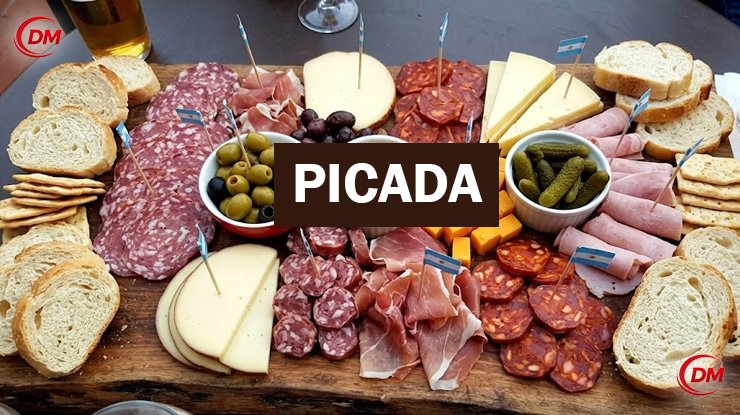
This is where things get exciting. A picada plate can have many different foods on it, and there are no strict rules. That is part of what makes it so popular. You can add what you like and leave out what you do not. However, most traditional picada plates include a mix of the following:
Cured Meats and Cold Cuts Sliced meats are one of the most common parts of a picada. You might find chorizo (a type of spiced sausage), salami, ham, and other cold cuts. These meats are usually sliced thin so they are easy to eat.
Cheeses A good picada almost always has cheese. Hard cheeses, soft cheeses, or anything in between can work. In Argentina, you will often find cuartirolo (a soft white cheese) or tybo (a semi-hard yellow cheese). In Spain, manchego is a very popular choice.
Olives Green olives, black olives, or marinated olives add a salty and savory flavor to the plate. They are small, easy to eat, and go well with both meat and cheese.
Bread and Crackers You need something to put all that good food on. Sliced bread, small toasts, or plain crackers are often included. They help balance the stronger flavors of the meats and cheeses.
Pickled Vegetables Pickles, pickled peppers, and other marinated vegetables are common additions. They add a bit of sourness that cuts through the richness of the meats and cheeses.
Nuts Peanuts, almonds, and walnuts are popular additions, especially in Argentina. They add crunch and are easy to eat as a snack between bites of other things.
Eggs Hard-boiled eggs or deviled eggs sometimes appear on a picada. They are simple but filling and go well with the other items.
Spreads and Dips Some picada plates include hummus, cream cheese, or other spreads that you can put on the bread or crackers.
The beauty of a picada is that there is no single correct version. Every family, every restaurant, and every country has its own way of building one.
How Is a Picada Served?
A picada is usually served on a large wooden board, a big plate, or even a tray. Everything is arranged so it looks nice and is easy to reach. The goal is for everyone at the table to share everything together. No one has their own plate. You just reach in and take what you like.
It is common to serve a picada before lunch or dinner as a starter, but in many homes, the picada IS the meal. People sit, talk, eat slowly, and enjoy the time together. There is no rush.
In Argentina and Uruguay, picadas are often enjoyed on Sunday afternoons with family. In Spain, something similar happens during “aperitivo” time, which is the hour before lunch when people have drinks and light snacks.
What Do People Drink with a Picada?
A picada goes best with drinks that are not too heavy. Popular choices include:
- Wine: Red or white wine works well, depending on what is on the plate. Red wine pairs nicely with cured meats, while white wine is good with cheese.
- Beer: Cold beer is very popular, especially in Argentina and Uruguay.
- Vermouth: In Spain, vermouth (called “vermut”) is a classic choice during aperitivo time and goes very well with a picada-style spread.
- Sparkling water: For those who prefer something non-alcoholic, sparkling water with a slice of lemon is a refreshing option.
Picada in Argentina vs. Spain: What Is the Difference?
While both countries enjoy the idea of sharing small plates of food, there are some differences worth knowing.
In Argentina, a picada tends to be heartier and more filling. It often includes a bigger variety of meats and cheeses, along with nuts and crackers. It is seen as a full social occasion, not just a small snack. Argentinians take their picadas seriously and often spend time arranging the plate nicely.
In Spain, the tradition is more connected to tapas culture. Plates are often smaller, and people may order many different tapas over the course of a meal. The word picada in Spain can also refer to something quite different, such as a cooking sauce made from ground nuts, garlic, and spices used in Catalan cooking.
This Catalan picada is a thick paste made by grinding together ingredients like almonds, hazelnuts, garlic, parsley, and sometimes bread or chocolate. It is used to thicken stews and sauces and give them a deep, rich flavor. This is very different from the sharing plate version, so it is good to know the context when you see the word picada in a Spanish recipe.
How to Make a Simple Picada at Home
You do not need a special recipe to make a picada. All you need is a few good ingredients and a nice board to put them on. Here is a simple guide:
- Choose 2 or 3 meats: Salami, ham, or chorizo are easy to find and taste great.
- Pick 2 cheeses: One soft and one hard cheese works well together.
- Add olives: A small bowl of mixed olives adds color and flavor.
- Include bread or crackers: Slice some crusty bread or put out a box of crackers.
- Add something pickled: A few pickles or pickled peppers bring variety.
- Throw in some nuts: A small handful of almonds or peanuts adds texture.
- Arrange it nicely: Spread everything out on a big board so it looks inviting.
That is it. You now have a picada. Pour some drinks, call your friends or family, and enjoy.
Why Is Picada So Popular?
There are many reasons why picada has become so loved, not just in Spanish-speaking countries but around the world.
First, it is flexible. You can make it with what you have at home, or you can go all out with fancy ingredients. There is no wrong way to do it.
Second, it brings people together. In a world where everyone is busy, sitting down over a picada and talking is a simple way to connect with the people you care about.
Third, it is easy. Unlike cooking a full meal, putting together a picada does not require much skill or time. You can have it ready in ten minutes.
Finally, it is delicious. A mix of salty meats, creamy cheese, tangy olives, and crunchy crackers is hard to say no to.
Is Picada the Same as a Charcuterie Board?
You might be thinking that a picada sounds a lot like a charcuterie board, and you are right. They are very similar. Both involve arranging meats, cheeses, and other small bites on a board for people to share. The main difference is cultural origin.
Charcuterie boards come from French food tradition and became very trendy in the United States and other English-speaking countries in recent years. Picada comes from Spanish and South American tradition and has been popular there for a much longer time.
Both are great ways to share food, so you could say they are cousins from different parts of the world.
Final Thoughts
Picada is more than just a plate of food. It is a way of eating that values time, connection, and enjoyment. It does not matter if you are in Buenos Aires, Madrid, or your own kitchen at home. When you put together a picada, you are creating a moment for people to slow down, eat well, and enjoy each other’s company.
Whether you want to try the South American version with lots of meats and cheeses or the Spanish Catalan sauce used in cooking, picada is worth knowing about. It is one of those beautiful food traditions that is simple on the surface but rich in culture and meaning underneath.
So next time you have friends coming over or you want a relaxed meal without too much cooking, try making a picada. All you need is a board, a few good ingredients, and good company.Share
Frequently Asked Questions About Picada
1. What is a picada in simple words? A picada is a sharing plate of small foods like meats, cheeses, olives, bread, and snacks. It is popular in Spain and South America and is meant to be enjoyed by a group of people together.
2. Is picada a meal or a snack? It can be both. Some people eat picada as a starter before a main meal. Others make it the main food for a relaxed afternoon or evening with friends and family.
3. What meats are usually in a picada? Common choices include salami, chorizo, ham, and other cold cuts. The meats are usually sliced thin so they are easy to pick up and eat.
4. Can I make a picada without meat? Yes, you can. A vegetarian picada might include extra cheeses, vegetables, olives, nuts, dips like hummus, and a variety of breads and crackers. It can be just as delicious.
5. What is the difference between picada and tapas? Tapas are small dishes in Spanish cuisine, usually ordered one at a time. A picada is one large plate with many different items on it, served all at once. They are similar ideas but presented differently.
6. What does picada mean in cooking? In Spanish cooking, especially in the Catalan region of Spain, picada also refers to a thick sauce made from ground nuts, garlic, herbs, and sometimes bread. It is used to flavor and thicken stews.
7. Is picada the same as a charcuterie board? They are very similar. Both are sharing plates with meats, cheeses, and other bites. The main difference is that charcuterie boards come from French tradition, while picada comes from Spanish and South American culture.
8. What drinks go well with picada? Wine, beer, and vermouth are all popular choices. If you prefer something without alcohol, sparkling water or fruit juice works well too.
9. How long does it take to prepare a picada? A basic picada can be ready in ten to fifteen minutes. You just need to gather your ingredients and arrange them on a board or plate.
10. In which countries is picada most popular? Picada is especially popular in Argentina, Uruguay, Chile, and Spain. In Argentina and Uruguay, it is a big part of weekend family culture and social life.
See more amazing Information, Dupper Magazine