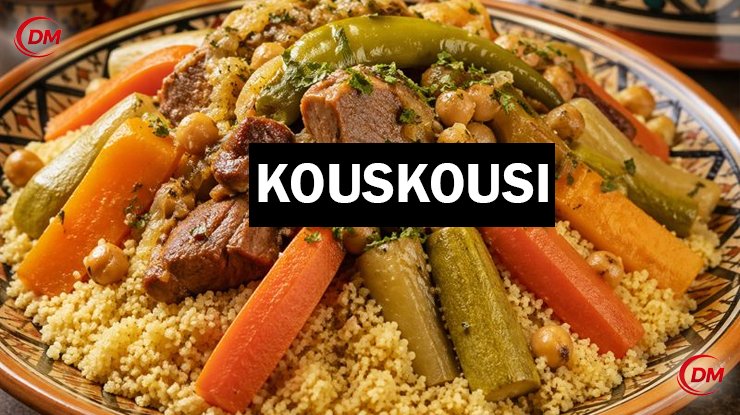
Have you ever heard of a dish that has been eaten for hundreds of years and is still loved today? That is Kouskousi, or as most people call it, couscous. This food has a long and rich history, and it is one of the most popular dishes in North Africa and beyond. Whether you are hearing about it for the first time or you already know a little bit, this guide will help you understand everything about this amazing food.
What Is Kouskousi?
Kouskousi is a traditional North African dish made from small grains of semolina wheat. Semolina is a type of flour that comes from durum wheat, which is a hard kind of wheat. The grains are rolled and shaped into tiny balls, and then steamed until they are soft and fluffy.
The name “couscous” comes from the Berber word “seksu,” which means “well rolled” or “well formed.” The Berber people, also known as the Amazigh people, are the original inhabitants of North Africa. They are believed to be the ones who first created this dish a very long time ago.
Kouskousi is not just food. For many families in North Africa, it is a symbol of home, family, and tradition. In countries like Morocco, Algeria, Tunisia, and Libya, it is often served on special occasions like Friday family lunches, weddings, and religious holidays.
A Short History of Kouskousi
The history of Kouskousi is very old. Some food historians believe it was first made around the 9th or 10th century in the Maghreb region, which includes countries like Morocco, Algeria, and Tunisia. Others think it could be even older than that.
Over time, couscous spread beyond North Africa. Arab traders and travelers helped carry this food to different parts of the world. Today, it is enjoyed in many countries, including France, Spain, Italy, Israel, and even parts of West Africa.
In 2020, couscous was added to the UNESCO List of Intangible Cultural Heritage. This is a very important recognition that shows how much this food matters to the culture and identity of people in Algeria, Mauritania, Morocco, and Tunisia. UNESCO said that couscous is more than just a dish. It is a practice that brings communities together.
How Is Kouskousi Made?
Making traditional couscous takes time and patience. In the past, women would make it by hand, sitting together and rolling the semolina grains by hand. This was also a social activity, where family members and neighbors would come together to make the dish.
Here is a simple explanation of how it is made:
Step 1: Making the Grains Semolina is sprinkled with a little water and then rolled by hand or machine to form small, round grains. These grains are then dried in the sun or in ovens.
Step 2: Steaming the Couscous The dried grains are placed in a special pot called a couscoussier. This pot has two parts. The bottom part holds a stew or broth that boils and creates steam. The top part has small holes, and the couscous grains sit there to absorb the steam and cook slowly. This steaming process gives couscous its soft and light texture.
Step 3: Adding Flavors After steaming, the couscous is often mixed with a little butter or olive oil to make it fluffy. It is then served with a vegetable stew, meat (like lamb or chicken), or even fish, depending on the region.
In modern kitchens, many people use instant couscous, which just needs hot water or broth poured over it. While it is much faster, the traditional steaming method gives a better texture and flavor.
What Goes Into a Kouskousi Dish?
One of the best things about Kouskousi is that it is very flexible. You can prepare it in many different ways depending on where you are and what ingredients are available.
Common ingredients used with couscous include:
- Lamb, chicken, or beef
- Chickpeas
- Carrots, turnips, zucchini, and pumpkin
- Onions and garlic
- Tomatoes
- Raisins or dried fruit (in some sweet versions)
- Spices like cumin, coriander, turmeric, and cinnamon
- Fresh herbs like parsley or cilantro
In Morocco, a very popular version is couscous with seven vegetables, called “Couscous Bidaoui.” Each vegetable adds a different flavor and color to the dish. In Tunisia, the couscous is often spicier and sometimes includes fish. In Libya and Algeria, lamb is a very common choice.
Kouskousi Around the World
While Kouskousi is a North African dish at heart, it has traveled far and become loved in many other places.
In France, couscous is now one of the most popular dishes in the country. French people have adopted it and made their own versions of it. It is commonly sold in supermarkets and served in restaurants across France.
In Israel, a form of couscous called “ptitim” or Israeli couscous was created in the 1950s as an alternative food during a time of limited supplies. It has larger grains than traditional couscous and has a different texture.
In West Africa, couscous made from millet instead of wheat is also very popular. This shows how the idea of small steamed grains has spread and adapted to different cultures and climates.
The Nutritional Value of Kouskousi
Kouskousi is not just tasty. It is also a fairly healthy food when eaten as part of a balanced diet.
Here are some of the main nutritional benefits:
- Carbohydrates: Couscous is a good source of energy because it is high in carbohydrates. This makes it a filling meal.
- Protein: It contains some protein, which helps your body build and repair muscles.
- Low in fat: Plain couscous is naturally low in fat, making it a lighter option compared to rice or pasta in some cases.
- Selenium: Couscous is surprisingly rich in selenium, a mineral that helps protect your cells and supports your immune system.
- Fiber: Whole wheat couscous has more fiber than the regular kind, which is good for digestion.
Of course, the overall nutrition of a couscous dish depends on what you add to it. A couscous dish loaded with vegetables and lean meat is a very well-balanced meal.
Kouskousi in Culture and Family Life
In North African culture, Kouskousi is much more than a simple meal. It is part of family traditions, religious practices, and social events.
In many Muslim families in North Africa, Friday is considered a special day of the week. After Friday prayers, families often come together to share a large pot of couscous. This tradition has been passed down through many generations.
During the holy month of Ramadan, couscous is often served at Iftar (the meal when people break their fast at sunset) or at Suhoor (the early morning meal before fasting begins).
At weddings, couscous is almost always on the menu. In some traditions, a large plate of couscous is shared among many guests, which symbolizes community and generosity.
Making couscous together is also a way for older family members to teach younger ones about their culture. Grandmothers often teach their grandchildren how to roll the grains by hand, keeping the old traditions alive.
Tips for Cooking Kouskousi at Home
If you want to try making couscous at home, here are some simple tips to help you get started:
- Use good quality semolina couscous if you can find it. It will taste better than the cheapest option.
- Do not overcook it. Couscous becomes mushy very quickly. Follow the timing on the package carefully.
- Add butter or olive oil after cooking for a better texture.
- Season the cooking liquid. Whether you use water or broth, add some salt and spices to give the couscous more flavor.
- Fluff it with a fork. After cooking, use a fork to separate the grains so they do not stick together.
- Try different toppings. You can use roasted vegetables, a simple tomato sauce, or any meat you like.
Why Kouskousi Deserves More Attention
In a world full of trendy foods and new food discoveries, Kouskousi stands out because of its long history, its cultural depth, and its simple but beautiful flavors. It is a dish that has survived for centuries because it is practical, delicious, and meaningful to the people who eat it.
If you have never tried couscous before, this is a great time to start. You can find it in most supermarkets, and it is easy and quick to prepare. Once you try it, you will understand why millions of people around the world love this humble but extraordinary dish.
Conclusion
Kouskousi is a traditional North African food made from steamed semolina grains. It is simple, healthy, and very popular in countries like Morocco, Algeria, Tunisia, and Libya. People enjoy it with vegetables, meat, or stew, which makes it a flexible and filling meal.
Today, kouskousi is loved not only in North Africa but also in many other parts of the world. It represents family, culture, and sharing food together. If you want to try something traditional and tasty, kouskousi is a great dish to start with.
Frequently Asked Questions (FAQs)
1. What is Kouskousi made of? Kouskousi is made from semolina, which is a coarse flour made from durum wheat. The semolina is rolled into small grains and then steamed to make the final dish.
2. Is couscous the same as Kouskousi? Yes, they refer to the same thing. Kouskousi is another way of saying couscous, and it is the name used in some North African countries and dialects.
3. Where does Kouskousi come from? Kouskousi originally comes from the Maghreb region of North Africa, which includes Morocco, Algeria, Tunisia, and Libya. It is believed to have been created by the Berber (Amazigh) people.
4. Is Kouskousi healthy to eat? Yes, couscous can be a healthy food. It is a good source of energy, contains some protein, and is naturally low in fat. Whole wheat couscous also provides fiber. The overall healthiness depends on what you cook with it.
5. How long does it take to cook couscous? Instant couscous only takes about 5 to 10 minutes. Traditional couscous that is steamed in a couscoussier can take much longer, sometimes up to 45 minutes or more.
6. Can vegetarians eat Kouskousi? Absolutely! Couscous itself is plant-based. There are many delicious vegetarian versions of couscous made with vegetables, chickpeas, and spices. No meat is required.
7. What spices are used in Kouskousi? Common spices include cumin, coriander, turmeric, black pepper, cinnamon, and sometimes harissa (a spicy chili paste). The spices vary depending on the country and the recipe.
8. Is couscous gluten-free? No, traditional couscous is not gluten-free because it is made from wheat. However, there are gluten-free versions made from corn or rice that can be found in some stores.
9. Why was couscous added to UNESCO’s heritage list? In 2020, Algeria, Mauritania, Morocco, and Tunisia jointly nominated couscous for UNESCO’s Intangible Cultural Heritage list. It was recognized because it represents a shared cultural tradition, a social practice, and a symbol of community among the people of North Africa.
10. Can I store leftover couscous? Yes, leftover couscous can be stored in an airtight container in the refrigerator for up to 3 to 5 days. You can reheat it by adding a little water and warming it in the microwave or on the stove.
See more amazing Information, Dupper Magazine