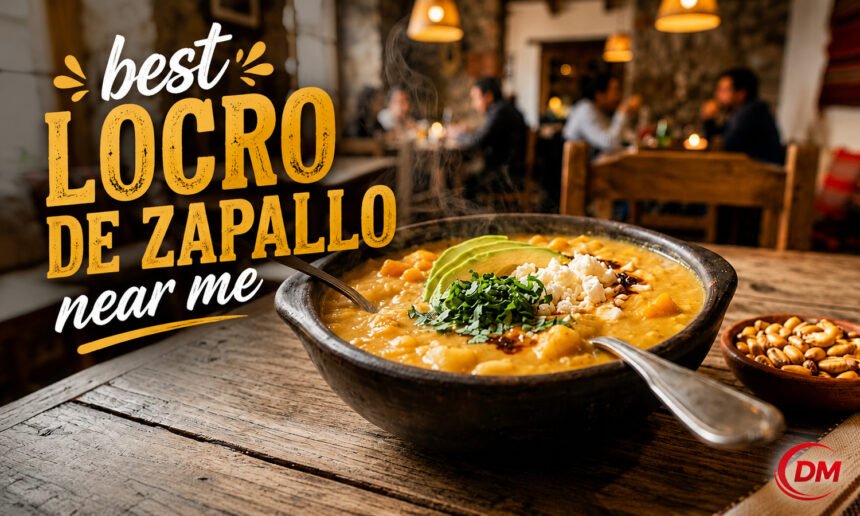
If you have ever walked through a South American neighborhood on a cold day and smelled something warm and spicy coming from a kitchen, there is a good chance it was locro de zapallo. This thick, comforting pumpkin stew is one of the most loved traditional dishes in countries like Peru, Ecuador, Bolivia, and Argentina. It is simple, filling, and made with love. And once you try it, you will want to find it again and again.
What Is Locro de Zapallo?
Locro de zapallo is a traditional stew made mainly from zapallo, which is a type of squash or pumpkin that is very popular in South America. The word “locro” comes from the Quechua word “ruqru,” and it has been a part of Andean cooking for hundreds of years.
The stew is thick and creamy because the pumpkin breaks down while it cooks. It usually has potatoes, cheese, cream, garlic, onion, and different spices. Some versions also include corn, peppers, or herbs. Every region and every family has its own way of making it, which is what makes it so special.
Locro de zapallo is not just food. It is a piece of culture and history. In many countries, it is made during national celebrations, cold winter months, or family gatherings. It is the kind of food that makes you feel at home.
A Little Bit of History
Locro has been cooked in the Andes for thousands of years. Before Spanish explorers arrived in South America, the indigenous people of the Andes were already cooking stews using squash, potatoes, corn, and other local vegetables. These were the main foods of the region because they grew well at high altitudes.
When the Spanish came, they brought new ingredients like dairy and certain spices. Over time, these were added to the traditional stew, and locro de zapallo became the rich, creamy dish we know today.
In Peru, locro de zapallo is considered a national dish. It is taught in cooking schools, served in traditional restaurants called “huariques,” and made at home by grandmothers all over the country. In Ecuador and Bolivia, similar versions of the stew are made, each with local touches that make them unique.
Why People Love This Dish
There are many reasons why locro de zapallo has stayed popular for so many years. Here are a few:
It is very comforting. The thick, warm texture of the stew is perfect for cold weather. It fills you up and makes you feel cozy.
It is affordable. The main ingredients, like pumpkin, potatoes, and cheese, are not expensive. This makes it a dish that families of all income levels can enjoy.
It is nutritious. Pumpkin is full of vitamins, especially vitamin A and vitamin C. It is also high in fiber. Potatoes give you energy, and the cheese adds protein. Together, they make a meal that is healthy and satisfying.
It is flexible. You can make it vegetarian, or you can add meat if you prefer. You can make it spicier or milder depending on your taste. This flexibility has helped the dish survive and grow across different cultures.
It is delicious. At the end of the day, the best reason to eat locro de zapallo is simply that it tastes amazing. The creamy texture, the gentle sweetness of the pumpkin, and the savory cheese create a combination that is hard to forget.
How Is Locro de Zapallo Made?
The basic recipe for locro de zapallo is not complicated, but it does take some time and care. Here is a general idea of how it is prepared:
First, garlic and onion are cooked in oil or butter until soft. Then, cubed pumpkin and potatoes are added along with water or vegetable broth. The whole thing is cooked on low heat for about 30 to 40 minutes, until the pumpkin becomes very soft.
Next, the pumpkin is partially mashed right in the pot to create a thick, creamy base. Fresh cheese (usually a mild white cheese called queso fresco) and cream or milk are stirred in. Some cooks add a yellow pepper paste called aji amarillo, which gives the stew a beautiful color and a gentle heat.
The stew is served hot, sometimes with white rice on the side, a boiled egg on top, or extra cheese sprinkled over it. In Peru, it is common to add huacatay, a Peruvian herb with a strong, unique flavor.
Every bowl of locro de zapallo tells the story of the cook who made it.
Where to Find the Best Locro de Zapallo Near You
Finding a good bowl of locro de zapallo depends on where you live. Here are some of the best places to look:
Peruvian Restaurants
Peru is the heart of locro de zapallo culture. If you live near a Peruvian restaurant, that is your best bet. Look for restaurants that call themselves “comida criolla” or “comida casera” spots. These are traditional Peruvian eateries that focus on home-style cooking. The locro you find there is usually made from scratch using traditional recipes.
Many cities in the United States, like New York, Miami, Los Angeles, Chicago, and Houston, have strong Peruvian communities and several Peruvian restaurants. Cities like London, Madrid, Tokyo, and Santiago also have well-known Peruvian dining scenes where you can find authentic locro.
Ecuadorian and Bolivian Restaurants
Ecuador has its own version of locro, called “locro de papa,” which focuses more on potatoes. But many Ecuadorian restaurants also serve zapallo-based locros, especially in the highlands. Bolivia also has its own stew traditions that are very similar.
If you find a restaurant from any of these countries in your area, it is worth asking if they serve locro de zapallo. Many traditional restaurants rotate their menu based on the season or the day of the week.
Latin American Food Markets and Cafeterias
In many cities, there are small Latin American food markets that also serve hot meals. These “cafeterias” inside markets are often run by immigrant families and serve very authentic, home-cooked food. The prices are usually low, and the food is often excellent.
Look for markets that cater to Peruvian, Ecuadorian, or Bolivian customers. You can usually find them in neighborhoods with large Latin American populations.
Food Festivals and Cultural Events
Latin American food festivals are a great place to find locro de zapallo. These events happen in many cities throughout the year and feature food from many countries and regions. Peruvian Independence Day (July 28) and other Latin American national holidays often inspire festivals and pop-up food stalls where traditional dishes like locro are featured.
Online Ordering and Delivery Apps
If there are no restaurants near you that serve locro de zapallo, try using a food delivery app. Many apps like DoorDash, Uber Eats, or Grubhub allow you to filter by cuisine type. Search for “Peruvian food” or “Latin American food” in your area and look through the menus.
Some restaurants also sell frozen versions of their dishes that you can heat at home. This can be a great option if you want to enjoy locro but live far from any South American restaurants.
Make It at Home
If you cannot find locro de zapallo near you, the good news is that you can make it yourself. The ingredients are easy to find in most grocery stores or Latin supermarkets. Kabocha squash, butternut squash, or even canned pumpkin can work as a substitute for zapallo if you cannot find the original.
There are many good recipes available online from Peruvian cooking blogs and YouTube channels run by home cooks. Many of these recipes have step-by-step instructions in simple language and are easy to follow even for beginner cooks.
Tips for Choosing a Good Restaurant
When looking for locro de zapallo at a restaurant, here are some things to keep in mind:
Look for authenticity. A restaurant that focuses on traditional recipes is more likely to make a great locro. Check if the menu has other traditional dishes like ceviche, aji de gallina, or seco de carne. These are signs that the kitchen values authentic cooking.
Read reviews. Check Google Maps, Yelp, or TripAdvisor for reviews. Look specifically for mentions of locro or traditional stews. Reviews from people within the community are especially helpful.
Ask locals. If you know anyone from Peru, Ecuador, or Bolivia, ask them where they go to eat. Personal recommendations from people who grew up eating the dish are often the most reliable.
Visit on weekdays. Many restaurants that serve traditional food make their best stews on weekdays, when they are cooking for their regular local customers. Weekends can sometimes mean a more tourist-focused menu.
Final Thoughts
Locro de zapallo is more than just a stew. It is a dish with deep roots in Andean culture and history. It has been feeding families for generations, and it continues to bring comfort and joy to people all over the world.
Whether you find it at a local Peruvian restaurant, a Latin food market, or you make it yourself at home, locro de zapallo is worth trying. It is the kind of food that warms you from the inside out and connects you to something much bigger than a single meal.
So next time you are looking for something warm, hearty, and full of flavor, search for locro de zapallo near you. You might just discover your new favorite dish.Share
Frequently Asked Questions (FAQs)
1. What does locro de zapallo taste like? It tastes warm, creamy, and slightly sweet from the pumpkin. The cheese adds a mild salty flavor, and spices like cumin and aji amarillo give it a gentle warmth. Overall, it is rich and comforting.
2. Is locro de zapallo vegetarian? Yes, the traditional version is vegetarian. It is made with pumpkin, potatoes, cheese, and cream. Some restaurants may add meat, so it is always good to ask before you order.
3. Can I freeze locro de zapallo? Yes, you can freeze it. Let it cool completely, then store it in an airtight container. It will stay good in the freezer for up to two months. Reheat it slowly on the stove and add a little water if it is too thick.
4. What type of pumpkin is used in locro de zapallo? The traditional pumpkin used is called “zapallo macre” in Peru. Outside of South America, butternut squash or kabocha squash work well as substitutes.
5. Is locro de zapallo the same as locro from Argentina? No, they are different. Argentine locro is a heavier stew made with white corn, beans, and different types of meat. Locro de zapallo is lighter, creamier, and focused on pumpkin and cheese.
6. How long does locro de zapallo last in the fridge? It stays fresh in the refrigerator for about three to four days when stored in a sealed container. The flavor often gets better the next day as the ingredients blend together more.
7. What do you eat with locro de zapallo? It is often served with white rice. Some people add a boiled or fried egg on top. Fresh bread or corn is also a common side. In Peru, it is sometimes garnished with huacatay herb and extra cheese.
8. Is locro de zapallo spicy? It can be mildly spicy if aji amarillo (yellow pepper) is used, but it is not very hot. Most versions are gentle enough for people who do not like very spicy food. You can always ask the cook to adjust the level of spice.
9. Where can I buy zapallo pumpkin outside of South America? You can find it at Latin American grocery stores or international markets. In the United States, stores like Sedano’s, Compare Foods, or local bodegas in Latin neighborhoods often carry it. Butternut squash is a widely available alternative.
10. Is locro de zapallo a healthy dish? Yes, it is quite nutritious. Pumpkin is high in vitamins A and C and is good for your immune system. Potatoes give you energy, and cheese adds protein and calcium. It is a balanced meal that is both filling and nourishing.
See more amazing Information, Dupper Magazine