If you have ever walked past an Argentinian restaurant and smelled something warm and delicious coming from the kitchen, there is a good chance it was empanadas cooking. These small, stuffed pastries are one of the most loved foods in Argentina, and people all over the world enjoy them today.
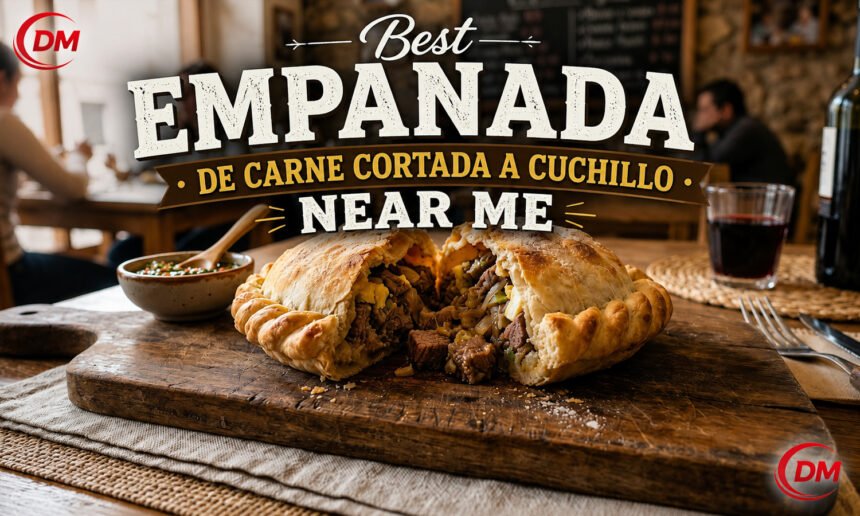
But not all empanadas are the same. One of the most special kinds is the Empanada de Carne Cortada a Cuchillo, which means “beef empanada with knife-cut meat.” This type is different because the meat is cut by hand into small pieces, not ground or minced. This gives the filling a very different texture and a much richer taste.
What Is an Empanada de Carne Cortada a Cuchillo?
The word “empanada” comes from the Spanish verb “empanar,” which means “to wrap in bread.” An empanada is a pastry filled with different ingredients, folded, and then baked or fried.
The Carne Cortada a Cuchillo version is special because:
- The beef is cut into small cubes with a knife, not put through a meat grinder
- The pieces of meat are soft inside and hold their shape
- The filling usually has onions, spices, hard-boiled eggs, and olives
- The pastry outside is golden, thin, and a little flaky
This style of empanada is very traditional in Argentina, especially in the northern regions like Salta and Tucumán. People in those areas have been making them this way for hundreds of years.
Why Is Knife-Cut Meat So Important?
You might wonder: does it really matter how the meat is cut?
Yes, it does. When meat is ground, it loses some of its texture. The pieces become very small and mix together into a paste. When you eat a ground meat empanada, the filling feels soft and uniform.
But when meat is cut by knife into small cubes, each piece keeps its own shape. When you take a bite, you can feel and taste each piece of beef separately. The meat stays juicier inside, and it absorbs the spices and cooking flavors in a better way.
Many food lovers say that knife-cut empanadas taste more “real” and more satisfying than ground meat versions. It takes more time and skill to prepare them, which is also why they feel more special.
The Traditional Filling: What Goes Inside?
A classic Empanada de Carne Cortada a Cuchillo filling usually has these ingredients:
- Beef: Cut into small cubes, usually from a cut like sirloin or chuck
- Onions: White or green onions, cooked until soft
- Hard-boiled eggs: Chopped and added to the filling
- Green olives: Sometimes whole, sometimes sliced
- Paprika (pimentón): For color and mild smoky flavor
- Cumin: A warm spice very common in Argentine empanadas
- Chili flakes: For a little heat, but not too much
- Salt and black pepper: Basic seasoning
Some recipes also add raisins, which might sound strange, but the small sweet pieces balance the salty meat very well. This is especially common in empanadas from Salta and other northern provinces.
The pastry dough, called “masa,” is made with flour, fat (lard or butter), water, and salt. It should be thin but strong enough to hold all the filling without breaking.
The Repulgue: The Art of Closing the Empanada
One thing that makes Argentine empanadas beautiful to look at is the way they are closed. The edge of the empanada is folded and twisted in a special way called the repulgue. This is a traditional technique, and in Argentina, different shapes can mean different fillings, so you know what you are eating before you take a bite.
Learning the repulgue takes practice. Some people use a fork to press the edges together, but real Argentine cooks do it with their fingers in one smooth movement.
How to Find the Best Empanada de Carne Cortada a Cuchillo Near You
Now, the big question: where can you find these empanadas near you?
1. Search Online with Specific Words
Instead of searching for just “empanadas near me,” try more specific searches like:
- “Argentine empanadas near me”
- “empanada carne cortada a cuchillo”
- “authentic Argentinian restaurant near me”
Google Maps, Yelp, and TripAdvisor are good places to search. Read the reviews and look for restaurants where people mention “authentic,” “traditional,” or “hand-cut beef.”
2. Look for Argentine or South American Restaurants
Not every Latin American restaurant makes this kind of empanada. Look specifically for Argentine restaurants, as they are most likely to serve the traditional knife-cut version. Peruvian, Colombian, and Chilean restaurants may serve empanadas too, but the style will be different.
3. Visit Latin American Food Markets or Food Fairs
Many cities have Latin American food markets, festivals, or Sunday food fairs. These are great places to find homemade or small-batch empanadas from people who follow traditional recipes. The quality is often very high and the price is usually lower than a restaurant.
4. Ask in Food Communities Online
Facebook groups, Reddit communities like r/food or r/Argentina, and local neighborhood apps like Nextdoor are good places to ask. Simply post: “Looking for authentic Argentine empanadas in [your city]” and you will likely get helpful answers from people who already know the best spots.
5. Try Argentine Bakeries or Specialty Food Shops
In cities with large Argentine or South American communities, you can sometimes find bakeries or delis that sell empanadas to take home. These are often made fresh each day and are frozen for convenience.
What to Look for in a Good Empanada de Carne Cortada a Cuchillo
When you find a place that sells these empanadas, here is what to check:
- The pastry: It should be thin, golden, and a little flaky. Not too thick or doughy.
- The filling: You should see actual pieces of beef, not a paste. The filling should be moist but not wet or oily.
- The smell: A good empanada smells of beef, cumin, and onion. If it smells only of dough, the filling might be poor quality.
- The repulgue: A nice, clean edge folded with care usually means the cook takes their work seriously.
- The temperature: Fresh empanadas are best eaten warm. If they are served cold or seem old, the experience will not be as good.
How to Make Empanada de Carne Cortada a Cuchillo at Home
If you cannot find a good restaurant nearby, making these empanadas at home is a very rewarding experience. Here is a simple guide.
For the Dough:
- 3 cups all-purpose flour
- 1/2 teaspoon salt
- 100g cold butter or lard, cut into pieces
- 1/2 cup warm water (add more if needed)
Mix the flour and salt. Add the cold fat and mix until it looks like small crumbs. Add warm water little by little until the dough comes together. Wrap it in plastic and let it rest for 30 minutes in the fridge.
For the Filling:
- 400g beef (sirloin or chuck), cut into very small cubes
- 2 medium onions, chopped
- 2 hard-boiled eggs, chopped
- 10 green olives, sliced
- 1 teaspoon paprika
- 1/2 teaspoon cumin
- Salt, pepper, and chili flakes to taste
- 2 tablespoons vegetable oil
Heat oil in a pan. Cook the onions until soft and golden. Add the beef cubes and cook until browned. Add paprika, cumin, salt, pepper, and chili. Remove from heat. Let it cool completely, then mix in the eggs and olives.
Assembling:
Roll the dough thin and cut circles about 15 cm wide. Put a spoonful of filling in the center. Fold the dough over and press the edges together. Use the repulgue technique or a fork to seal.
Baking:
Place on a baking tray lined with paper. Brush with egg yolk for a shiny top. Bake at 200°C (390°F) for about 20 minutes or until golden.
Tips for the Best Results
- Always let the filling cool before putting it in the dough, or the pastry will get soggy
- Do not overfill the empanada, or it will break during baking
- If you want a crispier result, you can fry them in hot oil instead of baking
- Empanadas freeze very well before baking. You can make a big batch and freeze them for later
Final Thoughts
The Empanada de Carne Cortada a Cuchillo is more than just food. It is a piece of Argentine culture that has been passed down through generations. The care that goes into cutting the meat by hand, seasoning it just right, and folding each empanada shows how much tradition matters in Argentine cooking.
Whether you find one at a local restaurant, a food market, or make it yourself at home, eating this empanada is a small but very real taste of Argentina. Take your time to find a good one, ask questions, and if possible, try making them from scratch. The effort is always worth it.
10 Frequently Asked Questions
1. What does “Carne Cortada a Cuchillo” mean? It means “knife-cut meat.” The beef is cut into small pieces by hand instead of being ground or minced. This gives the filling a better texture and taste.
2. Is this empanada baked or fried? It can be both. Traditional Argentine empanadas from the northern regions are usually baked in an oven. Some versions are fried in oil for a crispier result.
3. What kind of beef is best for this empanada? Good choices are sirloin, chuck, or any cut that becomes tender when cooked. It should not be too fatty. Cut the pieces very small, about 0.5 to 1 cm cubes.
4. Can I make the dough at home or should I buy it ready-made? You can do both. Homemade dough tastes better, but ready-made empanada discs are available in many Latin American grocery stores and work very well too.
5. Why do some empanadas have olives and eggs inside? This is a very old tradition in Argentine cooking. The olives add a salty, savory flavor, and the hard-boiled eggs add richness and texture. Together with the beef, they create a very balanced filling.
6. Are these empanadas spicy? They are usually mildly spiced, not very hot. Cumin and paprika give them flavor, and some recipes add a little chili for warmth. You can adjust the spice level easily when making them at home.
7. How do I know if a restaurant makes authentic knife-cut empanadas? Ask the staff directly how the meat is prepared. If they say it is cut by hand, that is a good sign. You can also check the filling texture when you eat: you should see actual pieces of meat, not a smooth paste.
8. How long do empanadas last after baking? Freshly baked empanadas are best eaten the same day. You can store leftovers in the fridge for up to 2 days. Reheat them in an oven or air fryer to get the crispy texture back. Avoid the microwave as it makes the dough soft.
9. Can I freeze empanadas? Yes. The best way is to freeze them before baking. Place them on a flat tray in the freezer until solid, then move them to a bag. When you are ready, bake them directly from frozen at 200°C for 25 to 30 minutes.
10. What do people eat with empanadas in Argentina? Empanadas are often eaten on their own as a snack or starter. Some people enjoy them with chimichurri sauce, a fresh herb sauce made with parsley, garlic, oregano, vinegar, and olive oil. A cold glass of Argentine Malbec wine or a fizzy drink pairs very well too.
See more amazing Information, Dupper Magazine