
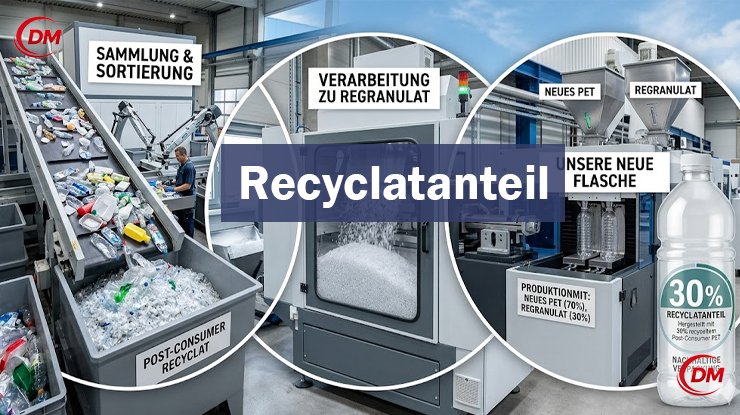
Have you ever looked at a product and seen the word Recyclatanteil on it? Maybe it was on a plastic bottle, a piece of furniture, or some packaging. You might have wondered what it means and why companies put it there. This article will explain everything in simple words. By the end, you will understand what Recyclatanteil is, how it works, and why it is important for our planet.
What Does Recyclatanteil Mean?
Recyclatanteil is a German word. In English, it means “recycled content share” or simply the percentage of recycled material used in a product.
For example, if a plastic bottle says it has a Recyclatanteil of 50%, that means half of the material used to make that bottle came from old, recycled plastic. The other half came from new, raw materials.
It is a way to measure how much of a product was made using things that already existed before, instead of using brand-new resources from nature.
Think of it like this: instead of cutting down a new tree to make paper, you use old newspapers and magazines to create new paper. The amount of old material used is the Recyclatanteil.
Where Did This Idea Come From?
The idea of using recycled materials is not new. People have been reusing materials for hundreds of years. But in modern times, the concept became more organized and important as the world started to see the problems caused by too much waste.
In Europe, especially in German-speaking countries like Germany, Austria, and Switzerland, there has been a strong push toward sustainability. The word Recyclatanteil started being used more often in product labels, laws, and business reports as companies began to take recycling more seriously.
Today, the European Union has rules that require certain products, especially plastic packaging, to contain a minimum amount of recycled content. This is part of the EU’s plan to reduce waste and protect the environment.
How Is Recyclatanteil Measured?
Recyclatanteil is usually measured as a percentage (%).
Here is a simple example:
- A plastic chair weighs 2 kilograms.
- 0.8 kilograms of that plastic came from recycled sources.
- The Recyclatanteil is 0.8 divided by 2, which equals 40%.
This means 40% of the chair is made from recycled material.
Companies calculate this number based on how much recycled input they use during the manufacturing process. There are also international standards, like ISO 14021, that help companies measure and report recycled content in a fair and honest way.
It is important that companies follow proper guidelines when they claim a Recyclatanteil percentage. Otherwise, the number could be misleading to customers.
Types of Recycled Content
Not all recycled content is the same. There are two main types:
1. Pre-Consumer Recycled Content
This is material that was recycled before it ever reached a customer. For example, during the manufacturing of a product, some leftover pieces or off-cuts are created. These leftover pieces are collected and used again in the production process.
While this is still recycling, some experts argue it is less impressive because the material never actually became waste in the traditional sense.
2. Post-Consumer Recycled Content
This is material that was used by a customer and then thrown away or returned for recycling. For example, used plastic bottles, old newspapers, or glass jars that people put in the recycling bin.
Post-consumer recycled content is generally seen as more valuable because it means real waste from the real world is being kept out of landfills and given a new life.
Many certifications and labels specifically mention post-consumer recycled content to show that the product is making a real difference.
READ MORE UVLACK Explained: Simple Guide to UV Coating, Uses, and Benefits in Easy English
Why Is Recyclatanteil Important?
This is a great question. You might think: “Does it really matter if a product uses recycled material or not?” The answer is yes, and here is why.
It Saves Natural Resources
When companies use recycled materials, they need fewer raw materials from nature. This means fewer trees cut down, less oil drilled, and fewer minerals mined. Natural resources are limited, and using them wisely is very important for the future.
It Reduces Energy Use
Making products from recycled materials often uses less energy than making them from scratch. For example, producing aluminum from recycled aluminum cans uses about 95% less energy than producing it from raw bauxite ore. This is a huge saving.
It Cuts Down on Waste
Every year, billions of tons of waste are created around the world. A lot of this waste ends up in landfills or, worse, in the ocean. When companies increase their Recyclatanteil, they are taking materials out of the waste stream and giving them a second life. This directly reduces the amount of waste in our environment.
It Lowers Carbon Emissions
Producing new materials from natural resources creates a lot of greenhouse gases. Using recycled materials instead can lower these emissions, which helps in the fight against climate change.
It Helps Build a Circular Economy
A circular economy is a system where products and materials are used for as long as possible. Instead of the old model of “make, use, throw away,” a circular economy tries to keep materials in use for as long as possible. Recyclatanteil is a key part of building this kind of economy.
Recyclatanteil in Different Industries
Recycled content is not just about plastic bottles. It is used in many different industries.
Packaging
This is probably the most well-known area. Many food and drink companies are now using packaging with a high Recyclatanteil. You will often see labels like “made with 30% recycled plastic” on bottles and containers.
Construction
The building industry uses a lot of materials. Recycled concrete, steel, and glass are becoming more common in construction. Using recycled steel, for example, can significantly reduce the energy needed to build a structure.
Fashion and Textiles
Some clothing brands now use recycled polyester made from old plastic bottles. You might have seen sports jackets or running shoes that mention recycled content. This is the Recyclatanteil of the clothing industry.
Electronics
Companies in the electronics sector are also starting to use recycled metals and plastics in their devices. Some smartphone manufacturers, for example, now use recycled aluminum in their products.
Automotive
Car manufacturers are using recycled materials in car parts, seats, and interiors. As electric vehicles become more popular, the focus on sustainable materials, including Recyclatanteil, is growing even stronger.
How to Spot Recycled Content on Products
When you go shopping, here are some things to look for:
- Labels and logos: Look for labels like “made with recycled content,” “post-consumer recycled,” or specific percentage claims like “50% recycled.”
- Certification marks: Organizations like the Global Recycled Standard (GRS) or Recycled Claim Standard (RCS) certify products that truly contain recycled materials.
- Company websites: Many companies publish sustainability reports where they share their Recyclatanteil data and recycling goals.
Being an informed shopper helps send a message to companies that recycled content matters to you.
Challenges with Recyclatanteil
While increasing recycled content is a great goal, it is not always easy. There are real challenges that companies and governments have to deal with.
Quality Issues
Recycled materials do not always have the same quality as new materials. For example, recycled plastic can sometimes be weaker or have a different color. This makes it harder to use in certain products.
Supply Problems
There needs to be enough recycled material available. If not enough people recycle, there is simply not enough raw recycled input for companies to use.
Cost
In some cases, using recycled materials can be more expensive than using new ones. This is partly because the recycling and sorting process requires infrastructure and labor.
Greenwashing
Some companies claim a high Recyclatanteil without being completely honest. This is called greenwashing, where a company makes itself look more eco-friendly than it really is. This is why independent certification and clear measurement standards are so important.
What Is Being Done to Increase Recyclatanteil?
Governments and organizations around the world are taking steps to push for higher recycled content in products.
The European Union’s Circular Economy Action Plan sets targets for recycled content in plastic packaging. The goal is to make sure that by 2030, a significant portion of plastic packaging on the market contains recycled material.
In Germany, the Verpackungsgesetz (Packaging Act) encourages companies to use more recycled content and to design packaging that is easier to recycle. Companies that use high recycled content may even receive financial benefits.
Many businesses are also setting their own voluntary targets. Some large companies have pledged to reach 50% or even 100% recycled content in their packaging by specific dates.
How You Can Help
You do not have to be a company to make a difference. Here are some simple things you can do:
- Recycle properly: Sort your waste correctly so that materials can actually be recycled.
- Buy products with recycled content: Support companies that use a high Recyclatanteil.
- Reduce waste overall: The less you throw away, the less needs to be recycled.
- Spread the word: Tell your friends and family about recycled content and why it matters.
- Support good policies: Vote for and support policies that encourage recycling and sustainable production.
Small actions add up. When many people make small changes, the total impact is huge.
Final Thoughts
Recyclatanteil might sound like a complicated word, but the idea behind it is simple and very important. It is about using what we already have, again and again, instead of always reaching for something new from nature.
Every product that has a higher Recyclatanteil is a small step toward a cleaner, more sustainable world. When companies, governments, and ordinary people all work together, these small steps add up to something very big.
The next time you pick up a product and see a recycled content label, you will know exactly what it means and why it matters. And maybe you will feel a little better about the choice you are making.
Because every little bit helps.Share
Frequently Asked Questions (FAQs)
1. What is Recyclatanteil in simple words? Recyclatanteil means the share or percentage of recycled material used to make a product. For example, if a bottle is 30% Recyclatanteil, it means 30% of the bottle was made from recycled materials.
2. Is Recyclatanteil only used in Germany? The word itself is German, but the concept of recycled content percentage is used worldwide. Different countries and industries use similar terms like “recycled content,” “recycled material share,” or similar phrases.
3. How do I know if a recycled content claim is real? Look for products certified by recognized organizations like the Global Recycled Standard (GRS) or the Recycled Claim Standard (RCS). These certifications mean that an independent body has checked and confirmed the recycled content.
4. Is post-consumer recycled content better than pre-consumer? Yes, generally post-consumer recycled content is considered more valuable because it means real waste from real users is being diverted from landfills. Pre-consumer recycled content comes from manufacturing leftovers that may never have become true waste.
5. Can all materials have recycled content? Many materials can include recycled content, including plastic, glass, metal, paper, cardboard, and textiles. However, the percentage and ease of recycling varies by material type.
6. Does using recycled content affect product quality? It can, depending on the material and the product. In some cases, recycled materials work just as well as new ones. In others, companies need to blend recycled and new materials to maintain quality standards.
7. Why do some companies not use more recycled content? Common reasons include higher costs, limited supply of quality recycled materials, technical challenges, and lack of industry standards. However, as recycling technology improves, these barriers are decreasing.
8. What is greenwashing in relation to Recyclatanteil? Greenwashing is when a company falsely claims or exaggerates its use of recycled materials to appear more environmentally friendly. This is why third-party certification and transparent reporting are so important.
9. How does increasing Recyclatanteil help with climate change? Using recycled materials usually requires less energy than producing new ones, which means fewer greenhouse gases are released. This directly helps reduce the impact of climate change.
10. What can ordinary people do to support higher Recyclatanteil? You can recycle properly at home, choose to buy products that clearly state their recycled content, avoid companies that greenwash, and support policies that require businesses to use more recycled materials.
See more amazing Information, Dupper Magazine