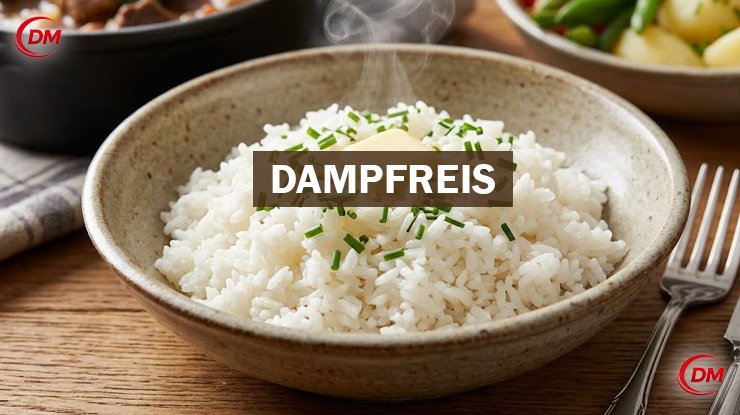
Rice is one of the most eaten foods in the world. People cook it in many ways, but one of the most popular methods is steaming. In German, steamed rice is called Dampfreis, which simply means “steam rice.” This method of cooking rice is loved by many people because it gives soft, fluffy, and tasty results every time.
If you have ever wondered what Dampfreis is, how it is made, and why so many people prefer it, this article will answer all your questions in a clear and simple way.
What Is Dampfreis?
The word “Dampfreis” comes from two German words: Dampf, which means “steam,” and Reis, which means “rice.” So, Dampfreis is simply rice that is cooked using steam.
Steaming rice is not a new idea. People in Asia, the Middle East, and Europe have been doing it for thousands of years. In Germany and other European countries, the term Dampfreis is commonly used in restaurants and home kitchens to describe this cooking style.
The idea behind Dampfreis is simple. Instead of boiling rice directly in a lot of water, you use steam to cook it gently. This keeps the grains whole and gives the rice a light, soft texture. The result is rice that is not sticky or mushy, but fluffy and separate.
A Short History of Steamed Rice
Rice has been grown and eaten for more than 10,000 years. It started in Asia, especially in China and India, and slowly spread to the rest of the world. Early cooks discovered that steaming rice gave better results than simply boiling it in open water.
In ancient China, people used bamboo baskets placed over boiling water to steam their rice. This simple tool worked very well and is still used today in some parts of Asia. Over time, other cultures developed their own ways to steam rice using clay pots, wooden steamers, and metal pans.
When rice cooking spread to Europe, people adapted the steaming method to fit their kitchens and tools. In German-speaking countries, Dampfreis became a common way to prepare rice, especially as a side dish served with meat, vegetables, or sauces.
Today, with the help of electric rice cookers and modern kitchen equipment, making Dampfreis has become easier than ever before.
Why Steaming Rice Is Better Than Boiling
Many people boil rice in a large pot of water and then drain it. This method works, but it also washes away some of the natural nutrients found in rice. Steaming is a gentler cooking method, and it has several advantages.
It keeps more nutrients. When you boil rice in a lot of water, some vitamins and minerals go into the water. When you steam rice, the nutrients stay inside the grains. This makes Dampfreis a healthier choice.
The texture is better. Steamed rice comes out fluffy and light. Each grain stays separate, which makes it easier to mix with sauces, vegetables, or proteins.
The taste is cleaner. Steaming does not dilute the natural taste of rice. You get a mild, clean flavour that works well with many different dishes.
It is easy to control. When you steam rice properly, it is hard to overcook it. The rice cooks evenly and gently, which means fewer mistakes in the kitchen.
Types of Rice Used for Dampfreis
Not all rice is the same. Different types of rice give different results when steamed. Here are the most common types used for Dampfreis:
Long-grain rice is the most popular choice for steaming. It stays fluffy and separate after cooking. Basmati rice and jasmine rice are well-known examples of long-grain rice. They have a pleasant smell and a light texture that many people enjoy.
Medium-grain rice is a little bit shorter and slightly stickier than long-grain rice. It works well for dishes like paella or risotto. It can also be steamed, but the result is a bit more moist.
Short-grain rice is the stickiest type. It is used in Japanese sushi and Korean rice dishes. When steamed, it holds together well, which is useful for certain recipes.
For a classic Dampfreis, most cooks prefer long-grain rice because it gives the lightest and most fluffy result.
How to Make Dampfreis at Home
Making Dampfreis at home is not difficult. You do not need any special equipment. All you need is a pot with a tight lid and some water. Here is a simple step-by-step guide.
What you need:
- 1 cup of long-grain rice (such as basmati)
- 1.5 to 2 cups of water
- A pinch of salt
- A pot with a lid
Step 1: Wash the rice. Put the rice in a bowl and cover it with cold water. Stir it gently with your hand. The water will turn cloudy. Pour out the water and repeat this two or three times until the water is mostly clear. This removes extra starch and helps the rice cook better.
Step 2: Soak the rice (optional but helpful). Let the washed rice sit in clean water for about 20 to 30 minutes. This helps the grains absorb water evenly before cooking, which gives a softer result.
Step 3: Add water and salt to the pot. Put the drained rice in your pot. Add 1.5 cups of water for every 1 cup of rice. Add a small pinch of salt for flavour. Stir once gently.
Step 4: Bring to a boil, then reduce heat. Put the pot on the stove over medium-high heat. Wait until the water starts to boil. Once it boils, turn the heat down to the lowest setting. Put the lid on the pot tightly.
Step 5: Let it steam. Let the rice cook on low heat for about 15 to 18 minutes. Do not lift the lid during this time. The steam inside the pot is what cooks the rice. Lifting the lid lets the steam escape and can ruin the texture.
Step 6: Rest the rice. After the cooking time is done, turn off the heat. Leave the lid on for another 5 to 10 minutes. This lets the rice finish cooking in its own steam and makes it even fluffier.
Step 7: Fluff and serve. Open the lid and use a fork or rice paddle to gently fluff the rice. This separates the grains and lets extra steam escape. Your Dampfreis is now ready to serve.
Using a Rice Cooker for Dampfreis
A rice cooker is a small electric appliance that makes steaming rice very easy. You simply add the rice and water, press a button, and the machine does everything for you. It automatically adjusts the temperature and switches off when the rice is ready.
Rice cookers are very popular in Asian countries, but they are also widely used in Europe and around the world. They are a great tool for anyone who wants to make perfect Dampfreis without watching the pot.
Many modern rice cookers also have extra features. Some can steam vegetables, cook porridge, or make other grain dishes. If you eat rice often, a rice cooker is a very useful addition to your kitchen.
Dampfreis in Different Cuisines
Steamed rice is not just a German or European dish. It is a basic food in many cultures around the world. Here is how different countries enjoy their version of steamed rice:
In Japan, steamed short-grain rice is eaten with almost every meal. It is the base of sushi, onigiri (rice balls), and many other dishes.
In India, steamed basmati rice is served with curries, lentil dishes, and spiced vegetables. The long, fluffy grains soak up the sauces perfectly.
In China, steamed rice is a daily staple. It is served plain alongside many different dishes and used to balance strong flavours.
In West Africa, steamed rice is often cooked with tomato sauce, beans, or vegetables to create hearty one-pot meals.
In Germany and Central Europe, Dampfreis is a common side dish in restaurants and homes. It is often served with meat dishes, creamy sauces, or stir-fried vegetables.
Health Benefits of Eating Steamed Rice
Rice is a good source of energy. It contains carbohydrates, which your body uses as fuel. Steamed rice also has some important vitamins and minerals, including B vitamins, iron, and magnesium.
Because steaming keeps more nutrients in the rice than boiling, Dampfreis is considered a healthier option. It is also easy to digest, which makes it a good food for people with sensitive stomachs.
Brown rice, which is less processed than white rice, has even more health benefits. It contains more fibre, which helps your digestion and keeps you feeling full longer. You can use brown rice to make Dampfreis too, but it takes a little longer to cook and needs more water.
Steamed rice is also naturally low in fat and contains no cholesterol. When eaten as part of a balanced meal with vegetables and protein, it supports a healthy diet.
Common Mistakes When Making Dampfreis
Even a simple dish like steamed rice can go wrong if you are not careful. Here are some common mistakes to avoid:
Using too much water makes the rice wet and mushy. Follow the ratio of 1 cup rice to 1.5 cups water for best results.
Lifting the lid too early lets the steam escape. Always keep the lid on during cooking and resting time.
Not washing the rice leaves too much starch on the grains, which makes the rice sticky and clumped together.
Cooking on too high heat can burn the bottom of the rice and leave the top uncooked. Always use low heat after the water boils.
Skipping the resting time can make the rice less fluffy. Those extra 5 to 10 minutes after cooking make a real difference.
Tips for Perfect Dampfreis Every Time
Here are a few simple tips that will help you get great results:
- Always measure your rice and water carefully.
- Use a pot with a heavy bottom to prevent burning.
- If you want more flavour, cook the rice in vegetable or chicken broth instead of plain water.
- Add a small piece of butter or a drop of oil to the water before cooking for a richer taste.
- Store leftover rice in the fridge and use it within two days. Cold rice can be reheated by steaming it again with a little water.
Final Thoughts
Dampfreis is a simple, healthy, and delicious way to cook rice. Whether you are cooking for yourself or for your family, steamed rice is a great choice. It is easy to make, goes well with many different foods, and keeps more of its natural goodness compared to other cooking methods.
With just a pot, some water, and the right technique, you can enjoy perfect Dampfreis at home any day of the week. Once you try it, you may never go back to boiling rice again.Share
Frequently Asked Questions (FAQs)
1. What does Dampfreis mean in English? Dampfreis is a German word that means “steamed rice.” It refers to rice that is cooked using steam rather than boiling in a large amount of water.
2. Is Dampfreis the same as regular rice? Dampfreis uses the same rice you normally eat, but the cooking method is different. Steaming gives the rice a better texture and keeps more nutrients compared to boiling.
3. What type of rice is best for Dampfreis? Long-grain rice, such as basmati or jasmine rice, is the best choice. It stays fluffy and separate after steaming. Short-grain or medium-grain rice can also be steamed but will be a bit stickier.
4. Do I need a special tool to make Dampfreis? No. You can make Dampfreis with just a regular pot and a tight-fitting lid. However, a rice cooker makes the process even easier and gives consistent results every time.
5. How much water do I need for Dampfreis? A good rule is to use 1.5 cups of water for every 1 cup of rice. If you are using brown rice, use a little more water and cook it for a longer time.
6. Can I add flavour to Dampfreis? Yes. You can cook the rice in broth instead of water, or add a pinch of salt, a small piece of butter, or some herbs. This gives the rice a richer and more interesting taste.
7. Is steamed rice healthy? Yes. Steamed rice is a good source of energy and contains important vitamins and minerals. Because it is cooked gently, more nutrients are kept in the grains compared to boiling. It is also low in fat and easy to digest.
8. Why does my steamed rice turn out sticky? Sticky rice is usually caused by using too much water or not washing the rice before cooking. Washing removes extra starch, which is what makes rice clump together.
9. Can I steam brown rice the same way? Yes, you can steam brown rice. However, it needs more water (about 2 cups per 1 cup of rice) and takes longer to cook, usually around 40 to 45 minutes. The result is chewier and more nutritious than white rice.
10. How do I store leftover Dampfreis? Let the rice cool down completely, then store it in a sealed container in the fridge. Use it within two days. To reheat, add a small splash of water and warm it in a pot with a lid or use a microwave with a damp paper towel on top.
See more amazing Information, Dupper Magazine