Norway is known for its beautiful nature, mountains, forests, and fjords. But keeping nature healthy and balanced does not happen by itself. Norway has a special system to take care of its wildlife, and one important part of this system is called Viltnemnda. If you have never heard this word before, do not worry. This guide will explain everything you need to know about it in simple and clear language.
What Is Viltnemnda?
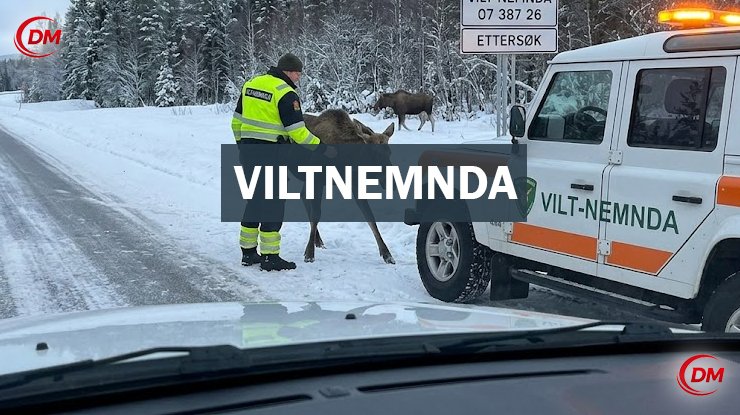
Viltnemnda is a Norwegian word that means “wildlife committee” or “game management committee.” It is a local government body that is responsible for managing wild animals in a specific area of Norway. Each municipality (a local area with its own government) can have its own Viltnemnda.
The main job of Viltnemnda is to make sure that wildlife populations stay healthy and balanced. This means they help decide how many animals can be hunted each year, they give advice on wildlife issues, and they work to prevent problems between humans and animals.
Think of Viltnemnda as a team of people who love and care about nature, and who also understand that both animals and humans need to live together in a safe and balanced way.
Why Does Norway Need Viltnemnda?
Norway has a very rich natural environment. The country is home to many wild animals, including moose (called “elg” in Norwegian), deer, reindeer, wolves, bears, foxes, and many types of birds. Managing all these animals is a big responsibility.
Without proper management, animal populations can grow too large. When this happens, animals may cause damage to farms, forests, and even roads. For example, too many moose in one area can eat young trees and damage forests. They can also cause dangerous accidents on roads.
On the other hand, if too many animals are hunted, the population can drop too low. This is bad for nature and for future generations who also want to enjoy wildlife.
Viltnemnda helps find the right balance. They use information about animal populations and work with hunters, farmers, and nature experts to make good decisions.
How Is Viltnemnda Organized?
Viltnemnda is organized at the local level. In Norway, the country is divided into municipalities, which are like small local governments. Each municipality that deals with wildlife management may have its own Viltnemnda.
The members of Viltnemnda are usually elected or appointed by the local municipality council. These members often include people with knowledge about wildlife, hunting, farming, and nature management. They work together to make decisions and give advice.
Viltnemnda works closely with:
- The municipality administration (local government offices)
- Statsforvalteren (the regional state governor’s office)
- The Norwegian Environment Agency (Miljødirektoratet)
- Local hunters and hunting organizations
- Landowners and farmers
Together, these groups create a system where wildlife management decisions are made at both the local and national level.
What Does Viltnemnda Actually Do?
The work of Viltnemnda covers many different areas. Here are the most important things they do:
1. Hunting Regulation and Quotas
One of the main tasks of Viltnemnda is to set hunting quotas. A quota is the number of animals that hunters are allowed to shoot in a given season. For example, they may decide that 200 moose can be hunted in their area during a specific year.
These quotas are based on population surveys and data. The goal is to keep the animal population at a healthy and stable level.
2. Monitoring Animal Populations
Viltnemnda is involved in collecting information about how many animals live in their area. This is done through wildlife surveys, reporting from hunters, and observations from people in nature. Knowing how many animals exist helps make better management decisions.
3. Handling Wildlife Damage
Sometimes wild animals cause damage to farms, gardens, or forests. Viltnemnda handles reports of wildlife damage and may give advice or make decisions about how to deal with the problem. In some cases, they can approve the removal of animals that are causing serious problems.
4. Issuing Hunting Licenses and Permissions
Viltnemnda is often involved in the process of approving hunting activities. Hunters must follow rules and regulations, and the committee helps make sure these rules are followed at the local level.
5. Giving Advice on Wildlife Matters
Local residents, farmers, and organizations can ask Viltnemnda for advice about wildlife-related issues. The committee provides guidance based on their knowledge and the current rules.
6. Emergency Situations
If a wild animal is injured, sick, or causing a serious safety risk, Viltnemnda may be involved in deciding what action to take. This could include calling in hunters to remove the animal or contacting animal welfare services.
What Animals Does Viltnemnda Manage?
Viltnemnda is mainly responsible for what is called “vilt” in Norwegian, which means “game animals” or wild animals that can be hunted. This includes:
- Moose (Elg) – The moose is the most important game animal in Norway and has a large impact on forests and roads.
- Red deer (Hjort) – Red deer are common in western Norway and are managed carefully.
- Reindeer (Rein) – Wild reindeer are found in mountain areas and are also managed.
- Roe deer (Rådyr) – A smaller type of deer found in many parts of Norway.
- Wild boar (Villsvin) – An animal that has been spreading in Norway in recent years.
- Beaver (Bever) – Beavers can cause flooding and other issues, so their numbers are monitored.
- Birds – Many types of birds, including grouse and ptarmigan, are also managed.
Viltnemnda does not manage all animals. Larger animals like wolves, bears, and lynx are managed at a higher national level by Rovviltnemnda, which are special regional committees for predator management.
Viltnemnda vs. Rovviltnemnda: What Is the Difference?
People sometimes confuse Viltnemnda with Rovviltnemnda. While both are wildlife committees, they deal with different animals.
- Viltnemnda manages common game animals like moose, deer, and birds at the local municipality level.
- Rovviltnemnda (which means “carnivore committee”) manages large predators like wolves, bears, lynx, wolverines, and golden eagles. These committees operate at a regional level and deal with much more complex and often controversial decisions.
Both types of committees are important parts of Norway’s wildlife management system, but they work at different levels and with different types of animals.
How Does Viltnemnda Work With Hunters?
Hunting is a very important tradition in Norway. Many Norwegians hunt, and hunting plays a key role in wildlife management. Viltnemnda works closely with hunters and hunting organizations.
Hunters provide useful information about animal populations. When hunters are out in nature, they observe and report what they see. This information helps Viltnemnda understand how many animals are in an area and what condition they are in.
Viltnemnda also makes sure that hunting is done in a responsible and legal way. They set rules about when hunting can happen, what tools can be used, and how many animals can be taken. Hunters must respect these rules.
This cooperation between the committee and hunters is an important part of Norway’s wildlife management philosophy. The goal is not just to allow hunting, but to make sure hunting helps keep nature in balance.
Why Is Local Management Important?
One of the most interesting things about Viltnemnda is that it operates at the local level. This means that wildlife decisions are made by people who actually live in and know the area.
A person in Oslo might not understand the specific wildlife challenges in a small village in northern Norway. But the local Viltnemnda members do. They know the land, they know the animals, and they know the people who live there.
Local management also means that decisions can be made faster and more efficiently. When a problem arises, the local committee can respond quickly without waiting for a national decision.
At the same time, Viltnemnda must follow national laws and guidelines. This combination of local decision-making within national rules creates a flexible and effective system.
Legal Background: What Laws Guide Viltnemnda?
Viltnemnda operates under Norwegian law. The most important law is the Nature Diversity Act (Naturmangfoldloven) and the Wildlife Act (Viltloven). These laws set out the rules for how wildlife must be managed in Norway.
The Wildlife Act explains what wild animals are, how they can be hunted, and what responsibilities local authorities have. It also describes the role of Viltnemnda and what powers they have.
Norway also follows international agreements about nature and biodiversity. These agreements influence how the country manages its wildlife at both local and national levels.
Challenges Facing Viltnemnda Today
Like any organization, Viltnemnda faces some challenges in the modern world.
Climate change is one of the biggest challenges. Warmer temperatures are affecting where animals live and how they behave. Some species are moving to new areas, which creates new management challenges.
Urban growth is another challenge. As more people move into areas that were once wilderness, conflicts between humans and animals are increasing. Managing these conflicts requires careful work.
Changing hunting traditions also affect Viltnemnda’s work. Fewer young people are taking up hunting in some areas, which means there are fewer hunters to help manage animal populations.
Despite these challenges, Viltnemnda continues to adapt and work hard to protect Norway’s rich wildlife heritage.
How Can Citizens Get Involved?
If you live in Norway, you may be able to get involved with your local Viltnemnda. Here are some ways:
- Report wildlife observations – If you see animals or notice something unusual, you can report it to your local municipality.
- Attend public meetings – Viltnemnda sometimes holds public meetings where residents can share their views.
- Apply for membership – In some municipalities, citizens can apply to become members of the committee if positions are open.
- Contact your municipality – If you have a wildlife-related problem or question, your local municipality can connect you with the right people.
Getting involved in wildlife management is a great way to contribute to nature conservation in your community.
Concuslion
Viltnemnda is a local wildlife management committee in Norway. It plays an important role in keeping wildlife populations healthy and balanced. The committee sets hunting quotas, monitors animal populations, handles wildlife damage, and gives advice on nature-related issues.
By working at the local level, Viltnemnda makes sure that wildlife decisions are made by people who know and understand their area. At the same time, the committee follows national laws to make sure Norway’s wildlife is protected for future generations.
Whether you are a hunter, a farmer, a nature lover, or just someone who wants to understand how Norway manages its rich natural environment, Viltnemnda is a key part of the story.
10 Frequently Asked Questions About Viltnemnda
Q1: What does the word “Viltnemnda” mean? Viltnemnda is a Norwegian word that means “wildlife committee” or “game management committee.” It is the local body responsible for managing wild animals in a Norwegian municipality.
Q2: Is Viltnemnda part of the government? Yes. Viltnemnda is a local government body. It operates under the authority of the municipality and follows national wildlife laws. Its members are usually appointed or elected by the municipal council.
Q3: What is the difference between Viltnemnda and Rovviltnemnda? Viltnemnda manages common game animals like moose, deer, and birds at the local level. Rovviltnemnda manages large predators like wolves and bears at a regional level. They are separate bodies with different responsibilities.
Q4: Who can become a member of Viltnemnda? Members are usually people with knowledge about wildlife, hunting, farming, or nature. They are appointed or elected by the local municipality. In some areas, interested citizens can apply for open positions.
Q5: How does Viltnemnda decide how many animals can be hunted? The committee uses data from wildlife surveys, hunter reports, and expert advice. They look at the size of the animal population and the balance needed in the ecosystem before setting hunting quotas each year.
Q6: Can Viltnemnda stop hunting in their area? Viltnemnda can recommend changes to hunting quotas and regulations, but major decisions must follow national laws. In some cases, hunting can be restricted if population data shows that animal numbers are too low.
Q7: What should I do if a wild animal is causing damage on my property? You should contact your local municipality. They will connect you with the right people, which may include Viltnemnda. The committee can give advice and, in serious cases, take action to deal with the problem.
Q8: Does Viltnemnda deal with injured or sick animals? Yes. If a wild animal is injured, sick, or poses a safety risk, Viltnemnda may be involved in deciding what action should be taken. This could include organizing the humane removal of the animal.
Q9: Is hunting important for wildlife management in Norway? Yes. Hunting is a key tool for keeping animal populations at a healthy level. Without hunting, populations of animals like moose could grow too large and cause serious damage to forests and roads. Viltnemnda works with hunters to make sure hunting is done responsibly.
Q10: How does climate change affect Viltnemnda’s work? Climate change is making wildlife management more complex. Animals are moving to new areas, and their behavior is changing. Viltnemnda must adapt to these new patterns and update their management strategies to deal with the challenges that come with a changing climate.
See more amazing Information, Dupper Magazine