
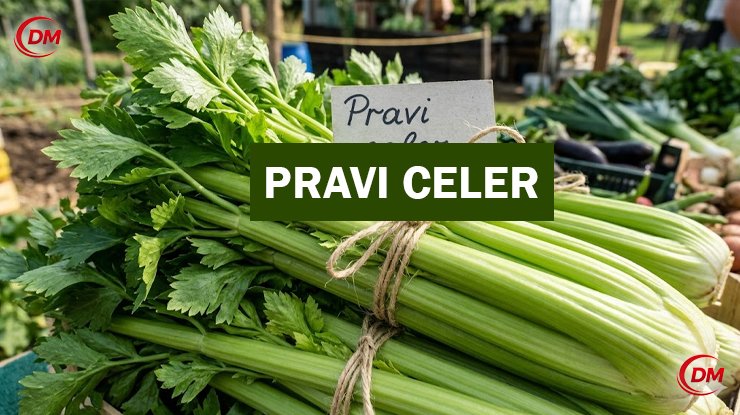
If you have ever seen the word “Pravi Celer” and wondered what it means, you are not alone. This phrase comes from South Slavic languages, and it simply means “Real Celery” or “True Celery.” In countries like Serbia, Bosnia, Croatia, and other parts of the Balkans, people use the word “celer” for celery. The word “pravi” means “real” or “true.” So together, “Pravi Celer” just means the actual celery plant, not a fake or low-quality version of it.
But celery is not just a word. It is one of the most useful vegetables in the world. People eat it, cook with it, and use it as a natural remedy. In this article, we will talk about what celery really is, where it comes from, what it does for your health, and how you can use it every day. The language will be simple and easy to follow, so anyone can understand it.
What Is Celery, Exactly?
Celery is a green vegetable. Its scientific name is Apium graveolens. It belongs to the same plant family as carrots, parsley, and fennel. This family is called Apiaceae.
The plant grows in long, crunchy stalks with green leaves on top. You can eat the stalks, the leaves, and even the seeds. The root of celery, called celeriac or celery root, is also used in cooking, especially in European countries like Serbia and Hungary.
Celery has a light green color and a fresh, slightly bitter taste. Some people love it raw. Others prefer it cooked in soups and stews. Either way, it is a very healthy food to add to your diet.
Where Does Celery Come From?
Celery has a long history. People have been using it for thousands of years. It originally grew in the Mediterranean region and parts of the Middle East. Ancient Egyptians, Greeks, and Romans all knew about this plant.
In ancient times, celery was not always used as food. Sometimes it was used in medicine or in religious ceremonies. The Greeks, for example, used celery leaves in their rituals.
Over time, people started growing celery for food. By the 17th century, it was being grown in gardens across Europe. Today, it is grown all over the world. China, the United States, and India are some of the biggest producers of celery.
In Balkan countries, celery, or “celer,” is a common ingredient in many traditional dishes. It is a key vegetable in making soup stock, stews, and pickled vegetables.
What Are the Parts of the Celery Plant?
You can use almost every part of the celery plant. Here is a simple breakdown:
Stalks: The long, crunchy green parts. These are the most commonly eaten part. You can eat them raw as a snack or cook them in many dishes.
Leaves: The green leaves at the top of the plant. They have a stronger flavor than the stalks. People use them fresh in salads or dried as a herb.
Root (Celeriac): This is the thick, round root of the plant. It is very popular in Central and Eastern European cooking. You can mash it, roast it, or use it in soups.
Seeds: Tiny brown seeds with a strong flavor. They are used as a spice in cooking and are also taken as a supplement for health reasons.
Nutritional Value of Celery
One of the best things about celery is that it is very healthy but low in calories. A cup of chopped celery (about 101 grams) contains roughly:
- Calories: around 16
- Water: over 95%
- Fiber: about 1.6 grams
- Vitamin K: very high, good for bone health
- Vitamin C: helpful for the immune system
- Potassium: important for heart health
- Folate: important for cell growth
- Vitamin A: good for eyes and skin
Because celery is mostly water, it helps keep your body hydrated. It also contains plant compounds called antioxidants, which protect your cells from damage.
READ MORE What Does “درسي” Mean? Easy Guide to Lesson, Study, and School Words
Health Benefits of Pravi Celer (Real Celery)
Now let us talk about why celery is so good for your health. There are many reasons why doctors and nutritionists recommend adding celery to your diet.
1. Helps With Digestion
Celery has a good amount of fiber, which helps your digestive system work properly. Fiber keeps things moving in your stomach and intestines. This can help prevent constipation and keep your gut healthy.
2. Reduces Inflammation
Celery contains plant compounds like apigenin and luteolin. These are known to help reduce inflammation in the body. Long-term inflammation is connected to many serious diseases, such as heart disease, diabetes, and arthritis. Eating anti-inflammatory foods like celery regularly may help lower this risk.
3. Good for Blood Pressure
Celery contains a compound called phthalides. Studies show that this compound can help relax the muscles around blood vessels, which allows blood to flow more easily. This can help lower blood pressure naturally. High blood pressure is a big risk factor for heart disease and stroke.
4. Supports Weight Loss
Because celery is very low in calories and high in water and fiber, it is a great food for people who want to lose weight. It fills you up without adding many calories. Eating celery as a snack instead of chips or cookies can make a big difference over time.
5. Improves Liver Health
Some animal studies suggest that celery may help protect the liver. The antioxidants in celery can reduce fat buildup in the liver and help it function better. While more research is needed in humans, the results so far are promising.
6. Good for Bone Health
Celery is rich in Vitamin K, which plays an important role in bone health. Vitamin K helps the body use calcium properly, which makes bones stronger. Eating enough Vitamin K can help reduce the risk of fractures and osteoporosis.
7. Keeps You Hydrated
Since celery is over 95% water, eating it helps keep your body hydrated. Staying hydrated is important for everything, from brain function to skin health to kidney function.
8. May Help Control Blood Sugar
Some studies suggest that celery extract may help lower blood sugar levels. This is good news for people with diabetes or those at risk of developing it. The fiber in celery also helps slow down the absorption of sugar in the blood.
9. Supports the Immune System
Celery contains Vitamin C, which is well known for supporting the immune system. Eating foods rich in Vitamin C can help your body fight off colds, flu, and other infections.
10. Has Antibacterial Properties
Research has shown that celery seeds and extract have some antibacterial properties. This means they may help fight certain harmful bacteria in the body. This is one reason celery has been used in traditional medicine for centuries.
How to Use Celery Every Day
Using celery in your daily life is not hard at all. Here are some simple ways to enjoy it:
Raw Snacks: Cut celery stalks into sticks and eat them with hummus, peanut butter, or yogurt dip. It is crunchy, refreshing, and very healthy.
Salads: Add chopped celery to your salads for extra crunch. It goes well with apples, walnuts, and a light dressing.
Soups and Stews: Celery is a classic ingredient in soups. It adds flavor and nutrition. Most vegetable broths and chicken soups include celery as a base ingredient.
Juices and Smoothies: Celery juice has become very popular in recent years. You can blend celery with cucumber, lemon, and ginger for a fresh and healthy drink.
Cooked Dishes: You can sauté celery with onions and garlic as the base for many dishes. It adds a nice, mild flavor to stir-fries, pasta sauces, and casseroles.
Celery Root (Celeriac): If you want to try something different, roast or mash celeriac. It tastes like a mix of celery and potato and is very filling.
Celery in Balkan Cooking
In the Balkans, celery is used very often in everyday cooking. Grandmothers across Serbia, Bosnia, and Croatia have been using celer in their kitchens for generations. It is one of the first vegetables added to the pot when making soup.
In Serbian cuisine, for example, a basic soup always starts with onion, carrot, parsley root, and celer. This combination creates a rich, flavorful base. Celery root is also used in salads and stews.
People in the Balkans also value celery for its health benefits. It is seen as a natural remedy for blood pressure, digestion, and general wellness. This traditional knowledge is now being confirmed by modern science.
Are There Any Side Effects?
Celery is generally safe for most people. However, there are a few things to keep in mind.
Some people are allergic to celery. This is more common in Europe than in other parts of the world. Celery allergy can cause mild symptoms like itching or rash, or in rare cases, a serious reaction. If you think you might be allergic, talk to a doctor.
Celery also contains a substance called psoralen, which can make the skin more sensitive to sunlight. This is usually not a problem unless you eat very large amounts.
People who take blood-thinning medications should be careful with very high amounts of celery because of its Vitamin K content. Always check with your doctor if you are on any medications.
Tips for Buying and Storing Celery
When buying celery, look for stalks that are firm and crisp. The color should be a bright, pale green. Avoid celery that looks wilted, yellow, or soft.
To store celery, wrap it in a damp paper towel and put it in a plastic bag in the refrigerator. It can stay fresh for up to two weeks this way. You can also freeze celery if you want to keep it longer, but it will become soft after freezing, so it is best used in cooked dishes.
Final Thoughts
Pravi Celer, or real celery, is one of those vegetables that is simple but truly powerful. It is affordable, easy to find, and very good for your health. Whether you eat it raw, cooked, or blended into a juice, you are giving your body something good.
From helping your heart and digestion to supporting your bones and immune system, celery does a lot for a vegetable that most people overlook. The next time you see celery at the market, pick some up. Your body will thank you for it.
10 Frequently Asked Questions About Pravi Celer (Real Celery)
1. What does “Pravi Celer” mean? “Pravi Celer” is a phrase from South Slavic languages. “Pravi” means “real” or “true,” and “celer” means “celery.” Together, it just means real or genuine celery, referring to the actual plant and not a fake or low-quality substitute.
2. Is celery good for losing weight? Yes, celery is a great food for weight loss. It is very low in calories, high in water, and has some fiber. This means it helps you feel full without adding many calories to your diet. Eating celery as a snack instead of processed foods can help over time.
3. Can I eat celery every day? Yes, most people can eat celery every day without any problems. It is healthy and safe for regular consumption. However, if you have a celery allergy or are on blood-thinning medications, check with your doctor first.
4. What part of celery is the healthiest? All parts of the celery plant are healthy. The stalks are the most commonly eaten and are rich in water and fiber. The leaves have a stronger flavor and are high in vitamin C and antioxidants. The seeds are used as a spice and are also known for their health benefits.
5. Does celery juice really work? Celery juice has become very popular as a health drink. It contains vitamins, minerals, and antioxidants. While it is a healthy choice, there is no scientific proof that it is a miracle cure. It is a good addition to a balanced diet, but it is not a replacement for proper meals and medical treatment.
6. Is celery root (celeriac) the same as regular celery? They come from the same plant family but are different varieties. Celeriac is grown specifically for its large, round root. Regular celery is grown for its stalks. Both are healthy and nutritious, but they taste slightly different. Celeriac has a milder, earthier flavor.
7. Can celery help lower blood pressure? Yes, there is some evidence that celery can help lower blood pressure. It contains a compound called phthalides, which helps relax the walls of blood vessels. This allows blood to flow more easily, which can reduce blood pressure over time.
8. Is celery safe for children? Yes, celery is safe for children and can be a healthy snack. However, for very young children, cut it into small pieces to prevent choking, as raw celery can be hard and crunchy. You can also cook it to make it softer.
9. How do I know if celery is fresh? Fresh celery should have firm, crisp stalks and bright green color. The leaves should look fresh and not wilted. If the stalks are soft, bendy, or turning yellow, the celery is not fresh anymore and has lost some of its nutritional value.
10. Can celery be eaten by people with diabetes? Yes, celery is a good food choice for people with diabetes. It is low in sugar and high in fiber, which helps slow down the absorption of sugar into the blood. Some studies also suggest that celery extract may help lower blood sugar levels. Always consult your doctor or dietitian for personalized advice.
See more amazing Information, Dupper Magazine