
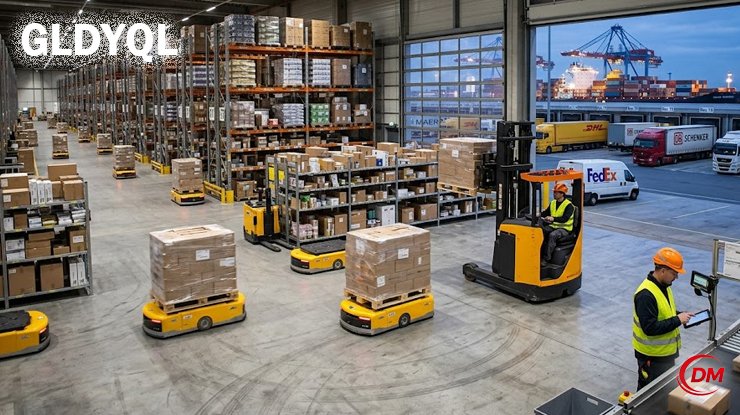
Logistics is the backbone of almost every business in the world. Whether you order something online or buy food from a local shop, logistics is working behind the scenes to make it happen. But what exactly is logistics, and why does it matter so much today? In this article, we will explain everything in simple words so that anyone can understand it.
What Is Logistics?
Logistics means planning, managing, and moving goods, services, and information from one place to another. It includes storing products, packing them, transporting them, and delivering them to the right person at the right time.
Think of it like this: when you order a phone online, someone has to pick it from a warehouse, pack it carefully, hand it to a delivery driver, and bring it to your door. All of these steps together are called logistics.
The word “logisths” is often used in Greek-speaking communities and some global business discussions to refer to logistics professionals or the field of logistics operations. It comes from the idea of logical systems that move things efficiently.
Why Is Logistics Important for Business?
Good logistics can make or break a business. Here is why:
It saves money. When products move quickly and smoothly, businesses spend less on storage and handling.
It keeps customers happy. People want their orders fast and in good condition. When logistics works well, customers are satisfied.
It reduces waste. Smart logistics systems help businesses avoid sending too much or too little product to a location.
It builds trust. When a company always delivers on time, people trust it more.
Without good logistics, even the best products cannot reach the right customers. That is why companies around the world spend billions of dollars improving their logistics systems every year.
Key Parts of a Logistics System
A logistics system has several important parts. Let us look at each one:
1. Transportation
This is how goods move from one place to another. It can be by road, sea, air, or rail. Each type of transport has its own cost and speed. For example, air transport is fast but expensive. Sea transport is slow but cheap for large amounts.
2. Warehousing
A warehouse is a large building where products are stored before delivery. Good warehousing means products are easy to find, safely stored, and ready to ship quickly.
3. Inventory Management
This means keeping track of how many products a business has. If a business has too many products, it wastes money on storage. If it has too few, customers cannot buy what they want. Smart inventory systems help businesses find the right balance.
4. Order Fulfillment
This is the process of receiving an order, picking the product, packing it, and shipping it to the customer. Fast and accurate order fulfillment is very important in e-commerce.
5. Supply Chain Management
The supply chain is the full journey of a product, from raw materials to the final customer. Logistics is a big part of supply chain management. It connects all the steps together.
6. Last-Mile Delivery
This is the final step of delivery, from a local hub to the customer’s door. It is often the hardest and most expensive part of logistics. Many companies are now using smart technology to improve this step.
Types of Logistics
There are different types of logistics depending on the business:
Inbound Logistics: This is about receiving goods and raw materials from suppliers. For example, a factory getting steel to make cars.
Outbound Logistics: This is about sending finished products to customers or stores.
Reverse Logistics: This is about handling returns. When a customer sends back a product, reverse logistics manages what happens next, such as repairing, recycling, or reselling the item.
Third-Party Logistics (3PL): Some businesses hire other companies to handle their logistics. These are called third-party logistics providers. They take care of warehousing, transport, and delivery so the business can focus on other things.
Fourth-Party Logistics (4PL): This is a step above 3PL. A 4PL company manages the entire supply chain, including managing the 3PL providers.
READ MORE : Rowdy Oxford Lawsuit Explained: Simple Facts, Updates, and What We Know So Far
How Technology Is Changing Logistics
Technology is making logistics faster, smarter, and more efficient. Here are some of the most important changes happening right now:
Artificial Intelligence (AI)
AI is helping businesses predict demand, plan routes, and manage inventory. For example, AI can look at past sales data and tell a company how much stock it will need next month.
Internet of Things (IoT)
IoT devices are small sensors that connect to the internet. In logistics, they track shipments in real time. You can see exactly where your package is at any moment because of IoT technology.
Automation and Robots
Many warehouses now use robots to pick and pack products. This is faster and more accurate than doing it by hand. Amazon, for example, uses thousands of robots in its warehouses.
Blockchain
Blockchain technology creates a secure record of every step in a supply chain. This helps businesses and customers trust that products are real and not fake. It is especially useful in the food and medicine industries.
Cloud Computing
Cloud-based logistics software lets businesses manage everything from one place. They can track shipments, manage inventory, and communicate with suppliers all through the cloud.
Drones and Autonomous Vehicles
Some companies are testing drones and self-driving trucks for delivery. These technologies are still new, but they could change logistics completely in the next ten years.
Challenges in Modern Logistics
Even with all this technology, logistics still faces many challenges:
Rising costs: Fuel prices, labor costs, and storage costs keep going up. This makes it harder for businesses to keep their prices low.
Supply chain disruptions: Events like pandemics, natural disasters, or political problems can stop products from moving. The COVID-19 pandemic showed the world how fragile global supply chains can be.
Environmental impact: Transporting goods creates a lot of pollution. Many businesses are now looking for greener ways to move products, like electric trucks and better route planning.
Customer expectations: Customers now expect very fast delivery, sometimes within the same day. Meeting these expectations is hard and expensive.
Cybersecurity: As logistics becomes more digital, it also becomes a target for hackers. Protecting logistics systems from cyberattacks is a growing concern.
Green Logistics: Moving Toward a Better Future
Many companies are now thinking about how to make logistics more sustainable. This means using less fuel, reducing waste, and making the supply chain cleaner for the environment.
Some steps companies are taking include:
Using electric or hybrid delivery vehicles instead of diesel trucks. Optimizing delivery routes to use less fuel. Using recyclable packaging materials. Building warehouses with solar panels and energy-saving systems. Partnering with suppliers who also care about the environment.
Green logistics is not just good for the planet. It is also good for business. Many customers today prefer to buy from companies that care about the environment.
Logistics in E-Commerce
Online shopping has changed logistics forever. When millions of people shop online every day, logistics systems have to work very fast and very well.
E-commerce logistics includes:
Managing a large number of small orders instead of a few big ones. Processing returns quickly and efficiently. Offering fast delivery options like same-day or next-day delivery. Keeping customers updated with real-time tracking information.
Companies like Amazon, Alibaba, and Flipkart have built some of the most advanced logistics systems in the world to support their online stores.
Smart Business Systems and Logistics
Today, logistics is not separate from business. It is deeply connected to every part of a company. Smart businesses use logistics data to make better decisions.
For example, a business can look at delivery times and see which routes are slow. It can look at return rates and see which products have quality problems. It can look at warehouse data and see where space is being wasted.
This kind of data-driven thinking helps businesses run better. It saves money, improves service, and helps them grow faster.
The Future of Logistics
The future of logistics looks very exciting. Here are some trends to watch:
Hyperlocal delivery: Small local warehouses placed close to customers will allow ultra-fast delivery.
Predictive logistics: Using AI to predict what customers will order before they even order it, so products can be ready faster.
Autonomous supply chains: Systems that run themselves with very little human input, using AI and robotics.
Circular supply chains: Instead of a straight line from factory to customer to trash, products will be reused, repaired, and recycled in a circular system.
Logistics will continue to grow and change as technology improves and customer needs evolve.
Final Thoughts
Logistics is one of the most important systems that keeps the modern world running. From the food on your table to the phone in your hand, everything gets to you because of logistics. As technology improves and businesses grow, logistics will only become more important.
Understanding how logistics works helps us appreciate the hard work that goes into every delivery. It also helps businesses make smarter choices and serve their customers better.
Whether you are a student, a small business owner, or just curious, we hope this guide gave you a clear and simple understanding of logistics and why it matters so much today.Share
10 Frequently Asked Questions (FAQs)
1. What is the simple meaning of logistics? Logistics means planning and managing how goods move from one place to another. It includes transportation, storage, and delivery.
2. What is the difference between logistics and supply chain? The supply chain covers the full journey of a product from raw material to final customer. Logistics is one important part of the supply chain that focuses on moving and storing goods.
3. Why is last-mile delivery so difficult? Last-mile delivery is the final step of getting a product to the customer’s door. It is often difficult because it involves many small deliveries to different locations, which takes a lot of time and fuel.
4. What does a logistics company do? A logistics company helps businesses move, store, and deliver their products. They manage transport, warehousing, and sometimes the full supply chain.
5. What is reverse logistics? Reverse logistics is the process of handling returned products. This includes inspecting, repairing, recycling, or reselling items that customers send back.
6. How is AI used in logistics? AI is used to predict demand, plan delivery routes, manage inventory, and identify problems in the supply chain before they happen.
7. What is a 3PL provider? A 3PL, or third-party logistics provider, is a company that handles logistics services for another business. They take care of warehousing, shipping, and delivery so the business can focus on other work.
8. How does technology help in logistics? Technology like IoT, AI, automation, and cloud software makes logistics faster, more accurate, and more efficient. It helps businesses track shipments, manage stock, and serve customers better.
9. What is green logistics? Green logistics means reducing the environmental impact of moving goods. This includes using electric vehicles, better route planning, and eco-friendly packaging.
10. What are the biggest challenges in logistics today? The biggest challenges include rising costs, supply chain disruptions, meeting fast delivery expectations, reducing environmental impact, and protecting digital systems from cyberattacks.
See more amazing Information, Dupper Magazine