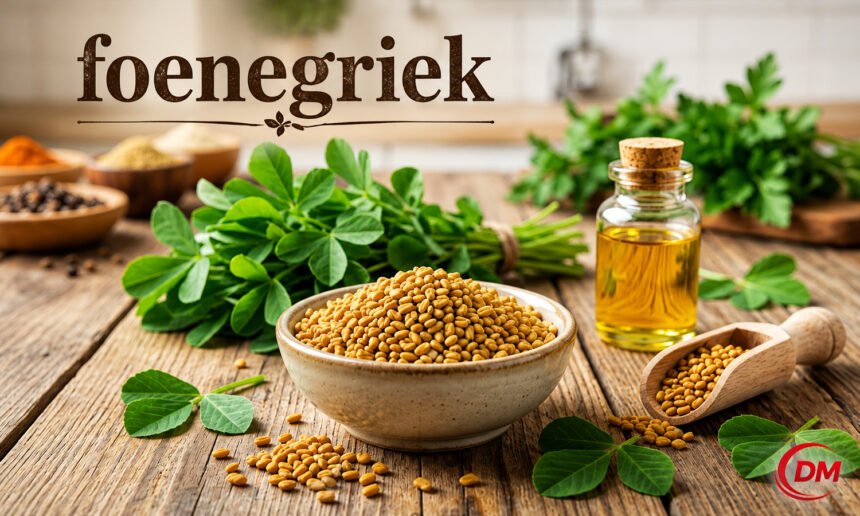
Foenegriek is a plant that people have used for thousands of years. You may not hear about it every day, but it is one of the most useful herbs in the world. It grows in parts of Asia, the Middle East, and the Mediterranean region. People use its seeds and leaves for cooking, medicine, and health support.
What Is Foenegriek?
Foenegriek is the Dutch word for fenugreek. Its scientific name is Trigonella foenum-graecum. It is a small green plant that grows about 60 to 90 centimeters tall. The plant has small white flowers and long pods that hold brown seeds inside.
The seeds are the most used part of the plant. They have a slightly bitter taste and a smell that is a little like maple syrup. This is because they contain a natural compound called sotolone.
Foenegriek has been used for a very long time. Ancient Egyptians used it in cooking and for health. People in India have used it in their food and home medicines for thousands of years. Today, it is popular in many parts of the world.
Nutritional Value of Foenegriek
One of the reasons foenegriek is so useful is because it contains many important nutrients. Even a small amount of the seeds gives your body good things.
Here is what you get in about one tablespoon (11 grams) of foenegriek seeds:
- Calories: around 35
- Protein: about 3 grams
- Fiber: around 3 grams
- Carbohydrates: 6 grams
- Fat: less than 1 gram
- Iron: a good amount for daily needs
- Magnesium: helpful for muscles and nerves
- Manganese: good for bones and energy
It also contains vitamins like B6 and C, and important plant chemicals like flavonoids and saponins. These help protect the body and support different body functions.
Health Benefits of Foenegriek
Many people use foenegriek because it can help with different health problems. Let us look at the main benefits that studies and traditional use have shown.
1. Helps Control Blood Sugar
One of the most studied benefits of foenegriek is its effect on blood sugar. The seeds have a high amount of soluble fiber, which slows down how fast sugar enters the blood after eating. This can be very helpful for people with type 2 diabetes or those who want to keep their blood sugar stable.
Some studies have shown that taking foenegriek seeds daily can lower fasting blood sugar levels. The seeds also contain an amino acid called 4-hydroxyisoleucine, which helps the body use insulin better.
2. Supports Breastfeeding Mothers
Foenegriek has been used for a very long time to help mothers who are breastfeeding. It is believed to increase milk production. This is why many lactation teas and supplements include foenegriek as one of the main ingredients.
Research has shown that foenegriek can raise milk volume in the first weeks after giving birth. However, it is always good to talk to a doctor before using it during breastfeeding, as it may not be right for everyone.
3. Helps with Testosterone and Men’s Health
Some studies suggest that foenegriek can help men with their hormone levels, especially testosterone. Low testosterone can cause tiredness, low sex drive, and reduced muscle strength.
A number of small studies have found that men who took foenegriek supplements had better testosterone levels and reported feeling more energy and a better mood. However, more research is needed to fully confirm this.
4. Reduces Inflammation
Foenegriek contains natural plant chemicals that work against inflammation. Inflammation is when the body becomes red, swollen, or painful because it is trying to fight something harmful.
The flavonoids and other compounds in foenegriek seeds may help reduce this inflammation. This could be useful for people with joint pain or other conditions linked to ongoing inflammation.
5. Supports Digestion
Foenegriek has been used for centuries to help with digestion problems. It can ease constipation because of its high fiber content. Fiber helps food move through the gut smoothly.
Some people also use foenegriek to calm an upset stomach, reduce bloating, and ease heartburn. It creates a thick gel-like substance when mixed with water, which can coat the stomach lining and reduce irritation.
6. May Help with Cholesterol
Some research shows that foenegriek may help lower bad cholesterol (LDL) and raise good cholesterol (HDL). This is good for the heart. The fiber in the seeds is thought to be the main reason for this effect, as it helps remove cholesterol from the body through digestion.
7. Helps with Weight Management
Foenegriek fiber makes you feel full for longer. When you feel full, you eat less. This can help with managing your weight over time. Some studies have shown that people who added foenegriek to their diet felt less hungry during the day.
READ MORE RevolverTech Crew Explained: Who They Are and What They Do in Simple Words
How to Use Foenegriek
There are many ways to add foenegriek to your daily life. Here are the most common ones:
Whole seeds: You can soak them in water overnight and drink the water in the morning. Some people also chew the soaked seeds directly.
Ground seeds: You can grind the seeds into a powder and add it to food. It works well in curries, soups, and bread.
Leaves: The fresh or dried leaves of the foenegriek plant can be added to cooked dishes. In Indian cooking, fresh foenegriek leaves are used in many recipes.
Tea: You can make a simple tea by boiling one teaspoon of seeds in water for about five minutes, then straining it and drinking it warm.
Supplements: Foenegriek is also sold as capsules or extract in health stores. These are easy to take but always check the dose and talk to your doctor first.
Foenegriek in Cooking
Foenegriek is an important spice in many cuisines, especially in Indian, Ethiopian, and Middle Eastern cooking. It gives food a slightly bitter and nutty taste.
In Indian cooking, foenegriek seeds are often used in spice mixes like curry powder and sambar powder. The leaves, called methi in Hindi, are added to dishes like dal methi and methi paratha.
In Ethiopian cooking, foenegriek is part of the famous spice blend called berbere. In the Middle East, it is sometimes used in bread and sweets.
When you roast foenegriek seeds lightly in a dry pan, the flavor becomes less bitter and more pleasant. This is a common technique used in many kitchens.
Possible Side Effects and Safety
Foenegriek is safe for most people when used in normal food amounts. But if you take large amounts or high-dose supplements, some side effects can happen:
- Upset stomach or diarrhea: This is the most common side effect, especially when starting to use it.
- Maple syrup smell in sweat or urine: This is harmless but can be surprising for some people.
- Allergic reactions: Some people may be allergic to foenegriek, especially those with allergies to peanuts or chickpeas.
- Blood sugar too low: Because foenegriek lowers blood sugar, people who take diabetes medication should be careful, as combining the two could lower sugar too much.
- Not safe in large amounts during pregnancy: Large amounts may cause early contractions. Pregnant women should avoid high doses and always consult a doctor.
Foenegriek for Hair and Skin
Apart from internal health, foenegriek is also used in beauty routines. Many people use foenegriek paste on their hair to make it stronger and reduce hair fall. The seeds contain proteins and nicotinic acid, which are known to support hair growth.
For skin, foenegriek can help with dryness and inflammation. Some people apply a paste made from ground seeds to soothe skin irritation or reduce pimples. However, always test on a small patch of skin first before using it widely.
Tips for Buying and Storing Foenegriek
When buying foenegriek seeds, look for ones that are golden to yellowish-brown in color and smell fresh and slightly sweet. Avoid seeds that smell musty or look dark and old.
Store foenegriek seeds in an airtight container in a cool and dry place. They can stay fresh for up to one year this way. Ground foenegriek powder loses its strength faster, so try to use it within three to four months.
Quick Summary
Foenegriek is a powerful and useful herb with a long history. It supports blood sugar, digestion, hormones, heart health, and even beauty. You can use it in food, tea, or as a supplement. It is easy to find and affordable in most places.
Like any herb or supplement, it works best when used in the right amount and as part of a healthy lifestyle. If you have any health condition or take medications, always talk to a doctor before adding large amounts of foenegriek to your routine.
10 Frequently Asked Questions About Foenegriek
1. What is foenegriek? Foenegriek is the Dutch name for fenugreek, a plant whose seeds and leaves are used in cooking and traditional medicine. It is popular in Indian, Middle Eastern, and African cuisines.
2. Can foenegriek help with diabetes? Yes, foenegriek seeds can help lower blood sugar levels because of their high fiber content and a special amino acid. But people with diabetes should talk to their doctor before using it alongside their medication.
3. Is foenegriek safe during pregnancy? Normal food amounts are generally considered safe, but large doses or supplements should be avoided during pregnancy. High amounts may cause early contractions. Always ask your doctor first.
4. How much foenegriek should I take per day? For most adults, 5 to 30 grams of seeds per day or up to 2.5 grams in supplement form is commonly used. However, the right amount depends on why you are using it. A healthcare provider can guide you better.
5. Can foenegriek increase breast milk? Many breastfeeding mothers use foenegriek to increase milk supply, and some research supports this. It is often recommended as a galactagogue, which means a substance that helps produce milk.
6. Does foenegriek help with weight loss? Foenegriek fiber can make you feel full longer and reduce appetite, which may help with weight management over time. It is not a quick fix but can be a helpful part of a balanced diet.
7. Can men use foenegriek? Yes. Some research shows that foenegriek may support healthy testosterone levels in men, which can improve energy and vitality. It is also a good source of nutrition for anyone.
8. Does foenegriek have any side effects? The most common side effects include digestive upset, a maple syrup smell in sweat or urine, and possible allergic reactions in sensitive people. High doses may lower blood sugar too much in people taking diabetes medication.
9. How do I use foenegriek in cooking? You can add whole or ground seeds to curries, soups, stews, and bread. The fresh or dried leaves can also be added to many dishes. Lightly toasting the seeds before using them reduces bitterness.
10. Where can I buy foenegriek? Foenegriek seeds, powder, and supplements are available in supermarkets, health food stores, Indian or Middle Eastern grocery shops, and online. Always choose a trusted brand, especially for supplements.
See more amazing Information, Dupper Magazine